Feminism ignores the experience of the Black Woman in America.
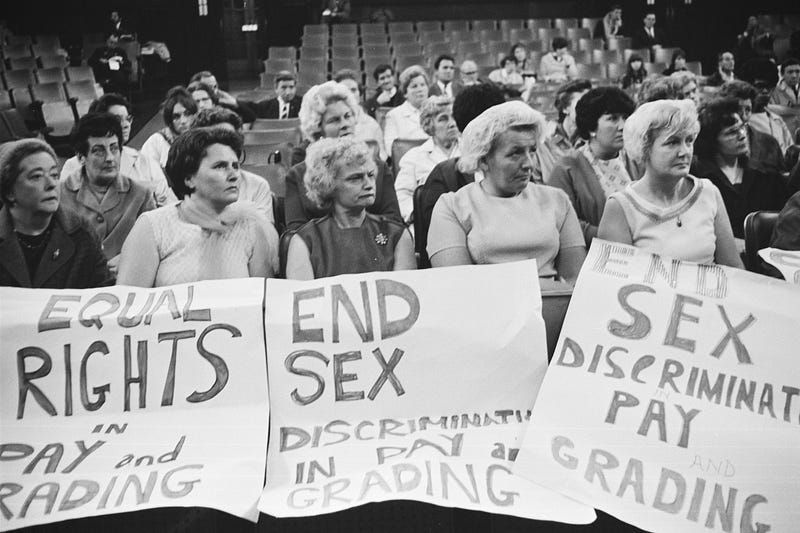
A Critique of Feminism by a Straight White Man Who Doesn’t Know What He’s Talking About (You Decide)
This is not an anti-woman post. It is a critique of modern feminism.
Feminism did not invent liberation. Black women did.
Before suffragettes held banners, before Simone de Beauvoir theorized freedom, Black women were surviving the unthinkable and still showing up to build the world that erased them. They labored while others dreamed of work. They mothered nations that would not claim them. They carried God through fields and kitchens, through factories and protests, through pulpits that denied their voices and beds that denied their rest.
And still, when feminism speaks of liberation, their names get left off the scroll.
Feminism was born in drawing rooms and lecture halls that never smelled like sweat. It imagined “woman” as someone fragile, sheltered, yearning to step into public life. But for Black women, public life was never a choice. It was survival. They were always already working, cleaning, nursing, raising, resisting. The right to work? They had been working since before the word feminist was ever uttered.
When white feminism said, “We want to be heard,” Black women said, “We have been screaming.”
When white feminism said, “We want to be seen,” Black women said, “We have been visible the whole time, just never recognized.”
The movement preached sisterhood but practiced selective inclusion. It built platforms but left no room on stage. The “we” of feminism was never truly plural. It was a mirror reflecting white comfort back to itself.
Feminism may be a liberation movement, but it marginalizes just the same. They treat theory like it can save them from history. But there is no liberation in pretending you discovered what Black women already lived.
From Harriet Tubman’s midnight marches to Ella Baker’s organizing genius, from Fannie Lou Hamer’s righteous fury to Angela Davis’s unbroken clarity, Black women have always been the engine behind justice movements.
They strategized while men took the podium. They cooked for movements they were not credited in. They carried the bodies, buried the martyrs, and still showed up to sing the hymns.
And when they spoke of sexism in their own communities, they were told to hush, that race came first, that the struggle was “bigger than them.” But what is bigger than the person holding the struggle on her back?
Feminism likes to take a lot of credit for the bridge it built, forgetting whose backs the bridge was built on.
While white women were marching for entry into the workforce, Black women were already holding it up, feeding it, cleaning it, running it.
Feminism did not build the bridge. Black women were the bridge.
And still, they were told to be quiet when they asked to be seen.
White feminists wrote about the “problem that has no name.” Black women always knew its name: racism, poverty, exploitation, the kind of pain that does not fit into theory but bleeds into everything else.
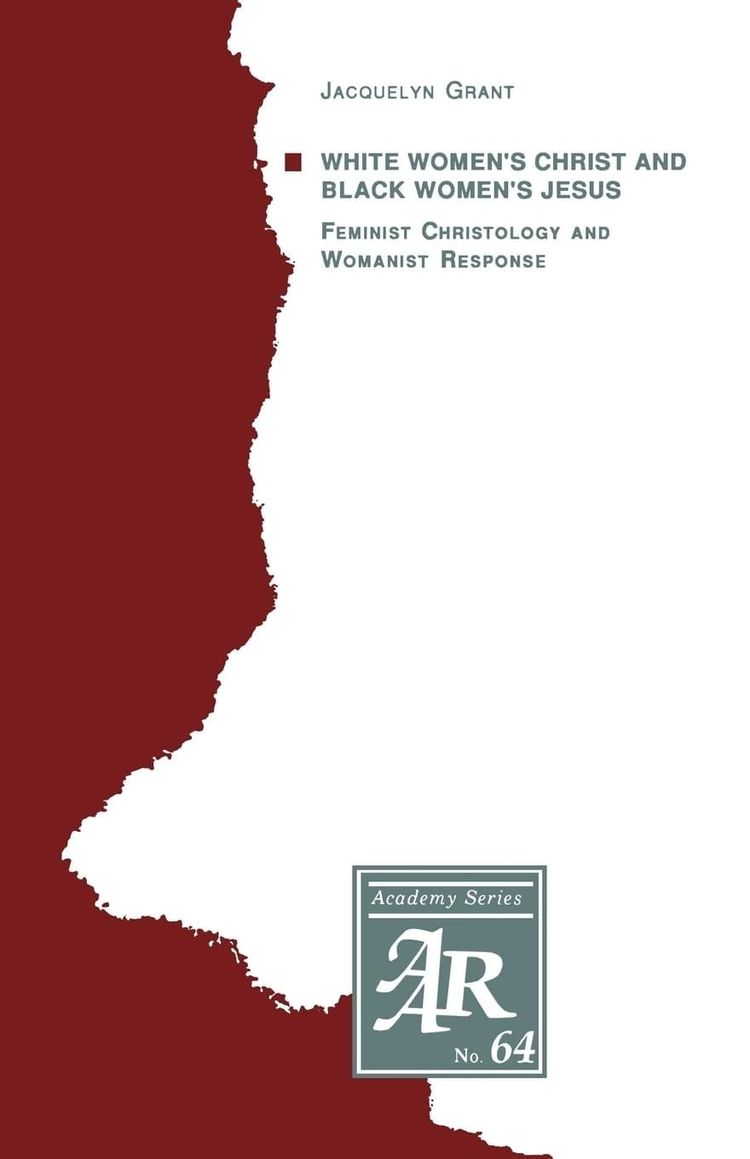
The academy applauded “universal” feminist thought while treating Black feminist thought as a sub-genre, a sidebar, a special topic. Even liberation theology spoke the language of male pain louder than the hymn of female endurance.
Delores Williams saw it clearly in Sisters in the Wilderness. Hagar, cast out by Abraham and Sarah, wandering yet seen by God. That is the Black woman’s inheritance, survival without sanctuary.
Black women turned survival into science.
They mothered philosophy out of trauma.
They made poetry out of what others called pathology.
Their labor was not just economic. It was intellectual, spiritual, and cultural. It created ways of knowing the world that no textbook could contain.
Patricia Hill Collins calls it Black Feminist Thought, theory built from experience and knowledge carried in the body. Audre Lorde said the master’s tools will never dismantle the master’s house. Alice Walker called her womanist “outrageous, audacious, courageous.”
Each of them built a new vocabulary because the old one refused to name them.
The goal is not to destroy feminism. It is to redeem it.
To remind it that freedom was never meant to be gated.
Feminism without intersectionality is just patriarchy in a new outfit.
If your liberation demands that someone else stay quiet, it is not liberation. It is theater.
Black women gave feminism its soul, its rhythm, its moral center. They taught the world that love without justice is a lie, and justice without empathy is tyranny.
They are not a footnote in the feminist story.
They are the story.
Member discussion