A STENCH IN WASHINGTON
There is a smell in Washington that no amount of disinfectant can kill. It is the odor of permanent power. It smells like cologne poured over panic, like old money stuffed into new suits, like sweat drying under television lights while men grin into cameras and swear they are saving the Republic.
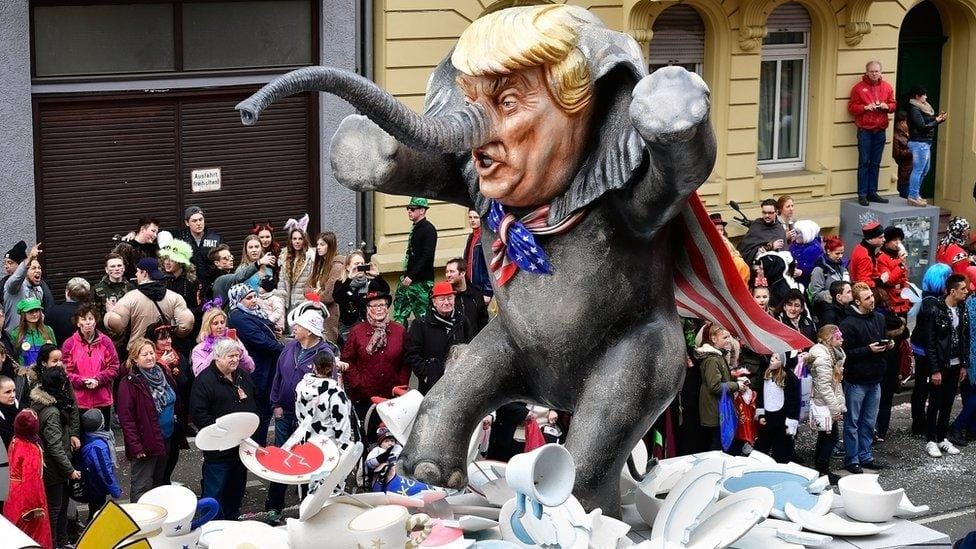
Donald Trump did not invent the smell. He simply sprayed it with gasoline and called it freedom.
He came roaring back into the White House like a man who had once burned down a casino and decided to try it again with the country. The hair was the same monument to denial. The rallies were the same carnival of grievance and red hats and fevered applause. But the stakes were heavier this time. The second act is always darker because the joke has worn off.
What remains is appetite.
His administration is a collection of loyalists, cable-news gladiators, and bureaucratic pit bulls who speak in the language of patriotism while gnawing on the bones of public trust. They call themselves fighters. They posture as rebels. But they occupy the most powerful offices on earth. Rebels do not command aircraft carriers. Rebels do not appoint Supreme Court justices. Rebels do not dine with billionaires who own half the farmland in Iowa.
This is not rebellion. It is regime maintenance with better branding.
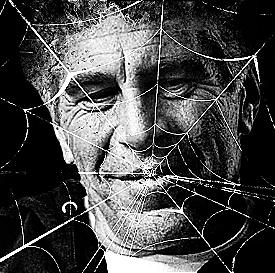
And then there is the ghost in the room. The name that hovers over cocktail parties and Senate hearings like a mosquito that will not die. Jeffrey Epstein. The financier who was somehow everywhere and nowhere at once. The man who managed to collect presidents, princes, CEOs, academics, and assorted moral crusaders as if they were baseball cards.
The Epstein saga is not just about crimes, although the crimes are monstrous. It is about the ecosystem that allowed them to fester. It is about how a man with the right connections can orbit the highest levels of power for years while victims scream into a void. It is about plea deals whispered behind courthouse doors and documents sealed with the kind of urgency normally reserved for nuclear codes.
When politicians thunder about transparency and law and order, remember how quickly that thunder dissolves when the trail leads to donors, allies, or themselves. Every administration wants the files released until the files threaten to release them.
Trump has played this game like a man juggling chainsaws on a yacht. Sometimes he hints that he knows things. Sometimes he shrugs. Sometimes he pretends the whole affair is a hoax cooked up by enemies. The truth floats somewhere in the Atlantic, bloated and inconvenient.
Meanwhile, the press corps huddles in the briefing room, clutching notebooks like lifelines. They ask their questions in careful tones, as if decorum were a sacred relic. Why must they be polite when the presidency behaves like a reality show finale? Why must they speak in measured phrases while the executive branch lobs insults at judges and threatens critics?
Professionalism has become a one-way street. The president can rage, mock, and ramble in capital letters at three in the morning. The press must respond with raised eyebrows and fact checks wrapped in velvet. If they show anger, they are activists. If they show restraint, they are weak. It is a trap disguised as civility.
But the larger circus is foreign policy, where swagger meets missiles.
There is the ritual chest-beating toward Iran, the ancient villain in the modern American script. Every few months the drums begin again. Sanctions, threats, talk of strikes, talk of strength. Politicians speak of red lines as if they were drawing them on a cocktail napkin. They invoke security, stability, destiny.
War talk is cheap in Washington because it is never their sons who bleed first.
The calculus is always the same. Flex hard enough to look decisive. Appear unpredictable so adversaries tremble. Feed the domestic audience a steady diet of defiance. It is performance geopolitics, a Broadway show with drones.
And then there is Israel, the sacred cow of bipartisan piety. Support is not merely policy. It is doctrine. To question it is to invite accusations of betrayal. Trump’s approach has been blunt and theatrical, moving embassies, issuing declarations, wrapping himself in the language of unbreakable alliance. Critics call it bending the knee. Supporters call it loyalty.
The truth is more cynical. Every administration calculates the political cost of crossing Israel and usually decides the cost is too high. Campaign donations, evangelical blocs, defense contracts, strategic leverage in the Middle East. The web is thick and sticky.
So the White House thunders at Tehran while embracing Jerusalem, and the arms manufacturers hum contentedly in the background. Nothing fuels the American economy like the promise of conflict.
Back home, the corporations feast.
They bleed Americans in slow, methodical increments. A few extra dollars on prescriptions. A few more on groceries. A few more on rent. Subscription fees multiply like bacteria. Insurance deductibles creep upward. Wages stagger behind inflation like a drunk at closing time.
Trump rails against elites while hosting them. He promises to drain swamps that have been rezoned into luxury developments. Tax codes are tweaked, regulations are trimmed, and somehow the people at the top always land on their feet. It is a marvel of gravity.
The American worker is told to hustle harder. Start a side business. Learn to code. Be grateful for opportunity. Meanwhile, stock buybacks soar and executive bonuses balloon like parade floats.
This is not a partisan disease. It is systemic. But Trump has a particular genius for selling it as rebellion. He convinces voters that the billionaire class is under siege, that deregulation is liberation, that corporate power is patriotism in a necktie.
The result is a country permanently exhausted. Half the population is furious. The other half is defensive. Both are broke.
Cable news amplifies the madness until it becomes white noise. Panels of experts shout across split screens while scrolling banners scream BREAKING NEWS for events that broke hours ago. The cycle feeds itself. Outrage drives ratings. Ratings drive revenue. Revenue drives silence on certain topics.
Ask yourself how often the conversation returns to healthcare reform, antitrust enforcement, or campaign finance. These are the unsexy issues that determine whether democracy functions or rots. They are harder to monetize than a presidential insult.
So the insult becomes the story. The tweet becomes the headline. The latest scandal eclipses the last one before it has time to mature.
Trump understands this rhythm instinctively. He throws verbal grenades and watches the smoke rise. While the press scrambles to analyze the shrapnel, quieter decisions are made in conference rooms with carpet thick enough to muffle conscience.
It is easy to mock his theatrics. The gold decor. The rambling speeches. The fixation on loyalty. But spectacle is not the same as incompetence. Spectacle is cover.
The real danger is normalization. Each broken norm becomes a new baseline. Each ethical lapse becomes a footnote. Each conflict of interest is waved away as politics as usual. Citizens adjust. Outrage dulls. The extraordinary becomes routine.
And in that routine, power consolidates.
The Epstein saga lingers because it represents a crack in the facade. It hints that the elite class, regardless of party, may share more in common with each other than with the voters who send them to office. It suggests that accountability stops at certain zip codes.
Trump’s brand is anti-elite. But he swims in elite waters. He golfs with them, litigates with them, negotiates with them. He may despise particular individuals, but he reveres the hierarchy that crowns them.
Meanwhile, the working class cheers the spectacle, hoping that someone at the top will finally smash the system that keeps them down. They are not fools. They know the game is rigged. They feel it in every hospital bill and student loan statement.
The tragedy is that anger can be redirected more easily than it can be satisfied. Instead of dismantling monopolies, we argue about culture wars. Instead of reforming campaign finance, we debate flags and bathrooms and library books. The structure remains intact while the citizens fight over the paint.
And the press? The press must decide whether it is a watchdog or a stenographer.
If the president treats decorum like a punchline, journalists should not feel obligated to maintain it as dogma. Professionalism does not mean passivity. It means rigor. It means relentless questioning. It means following the money even when it leads to advertisers or political allies.
Civility without accountability is theater.
Trump thrives on chaos. Chaos obscures detail. Detail is where truth lives. The challenge for the press and the public is to refuse distraction. To demand records. To demand transparency on the Epstein files. To demand clarity on foreign entanglements. To demand proof when corporations claim hardship while posting record profits.
None of this requires hero worship or hysteria. It requires attention.
The American experiment is not dying in a blaze of revolution. It is being nibbled at the edges by greed, cowardice, and exhaustion. Trump is not the sole architect. He is a symptom and an accelerant. He reveals what was already decaying.
The question is not whether he is professional. The question is whether the institutions surrounding him are strong enough to outlast personality.
History will not remember the tweets. It will remember the consequences. It will remember whether laws were enforced evenly, whether alliances were handled with prudence, whether corporate power was restrained or unleashed.
And it will remember whether the press barked or wagged.
The smell in Washington remains. It clings to curtains and committee rooms. It seeps into appropriations bills and executive orders. It is the smell of power that believes it can outlast scrutiny.
Maybe it can. Empires have endured worse.
But every empire eventually learns that spectacle cannot replace substance forever. The crowd grows restless. The debts accumulate. The truth surfaces, sometimes in courtrooms, sometimes in archives, sometimes in the quiet testimony of those who refuse to forget.
Until then, the show goes on. The president performs. The corporations profit. The foreign policy machine hums. The files remain sealed or selectively leaked. The voters argue. The cameras roll.
And somewhere beneath the noise, the Republic waits to see if anyone still has the nerve to demand more than performance.