Karma's Most Wanted #6: Nestle
By Matt Stone
Nestlé: The Most Evil Company We Love
Nestlé S.A., the world’s largest food and beverage corporation, is a household name with an enormous global footprint. But alongside its portfolio of billions in annual revenue and ownership of familiar brands, the company has accumulated decades of controversy linked to public health, human rights violations, environmental exploitation, and ethical conduct. Critics argue that many of these practices reflect deep systemic problems in how multinational corporations operate in vulnerable communities around the world. In other words, pure evil greed.
Predatory Baby Formula Marketing
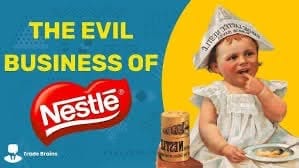
One of Nestlé’s most enduring scandals centers on its marketing of infant formula in low‑income and developing countries. Beginning in the 1970s, the company was accused of aggressively promoting formula as equal or superior to breastfeeding, in many cases employing sales tactics that mimicked medical authority figures, such as posing salespeople as nurses.
These campaigns coincided with reduced breastfeeding and, in communities without reliable access to clean water, increased risks of infection, diarrhea, and infant mortality when powdered formula was mixed with unclean water. Additionally, women that used the formula stopped lactating naturally, forcing them to rely on the formula. The fallout was so severe that it sparked an international boycott still referenced decades later and led to the creation of the World Health Organization’s International Code of Marketing of Breast‑milk Substitutes.
Child Labor and Cocoa Supply Chain Abuses
Nestlé has long faced allegations of child labor and worse in cocoa production for its chocolate products. Investigations and documentaries on the cocoa industry have linked child labor, including hazardous work by children trafficked to farms in West Africa, to the supply chains of major chocolate producers, including Nestlé. Though the company helped establish the Harkin‑Engel Protocol in the early 2000s to eliminate the worst forms of child labor, independent reports suggest progress has been slow, with child labor remaining an ongoing concern in cocoa‑producing regions. Nestle has a vested interest in child labor staying a viable option.
Water Extraction and Resource Exploitation
Nestlé’s bottled water business, encompassing dozens of brands worldwide, has drawn fire for its approach to water rights and resource extraction. In multiple regions, from California to Pakistan, activists and local residents have accused the company of extracting groundwater during periods of drought or scarcity, leaving communities with reduced access to affordable clean water.
Critics argue that selling water, a basic human necessity, at a premium while buying it cheaply reflects a corporate philosophy that treats water more as a commodity than a human right. Once again, pure evil greed.
Labor Rights and Worker Treatment
Beyond cocoa fields, Nestlé’s labor practices have been criticized in multiple countries. Reports point to weak enforcement of labor rights in parts of the company’s global footprint, including allegations of poor working conditions, suppression of union activity, and inadequate safeguards for vulnerable workers. Critics argue that Nestlé has sometimes chosen regions with lax labor protections in ways that reduce accountability for worker welfare and allow further exploitation. They deliberately chose countries where they could treat their employees like cattle.
Product Safety and Health Controversies
Throughout its history, Nestlé has faced product safety issues that have damaged public trust. Past incidents include recalls or criticism over contaminated food products, such as infant formula and pet food, which led to illnesses among consumers and scrutiny of quality controls. While recalls and investigations vary in cause and scope, these events contribute to concerns about corporate transparency and prioritization of profit over safety.
Misleading Nutrition Claims
Critics have also accused Nestlé of misleading advertising by marketing products as healthy despite high levels of sugar, salt, or other less‑desirable ingredients. In some markets, nutritional messaging differs significantly between products sold in affluent regions and those marketed in lower‑income countries, raising questions about ethical standards in global marketing.
Environmental Impact and Deforestation
Large food companies inevitably affect ecosystems, but Nestlé has been implicated in environmental harm related to deforestation, particularly through sourcing of palm oil and cocoa, commodities linked with habitat loss and biodiversity decline. While sustainability initiatives exist, critics argue they fall short of addressing systemic environmental pressures created by the scale of modern agribusiness.
Profit Over Public Good Critiques
At the core of many Nestlé controversies lies a broader ethical question: does the company prioritize shareholder profit over public well‑being? This theme surfaces in debates over water access, infant nutrition, worker rights, and food safety, and forms the basis of sustained public activism, academic criticism, and boycott movements that have persisted for generations. The evidence paints an obvious picture.
Conclusion: A Legacy Tied to Both Growth and Controversy
Nestlé’s story is not a simple one: it includes pioneering products, global expansion, and economic influence, but it also includes persistent and serious criticisms across public health, human rights, environmental stewardship, and corporate ethics. Whether defenders argue that reform efforts are genuine or critics view the harms as ongoing, Nestlé remains one of the most debated and polarizing multinational corporations in the world. The fact remains, a company that hoards water and forces women in third-world countries to become dependent on their baby formula, is deserving of the worst wrath karma has to offer. Nestle will not escape the wrath of Karma. No one does.
For more information on Nestle, I have provided several links at the bottom to the cases and controversies Nestle has been involved with.
 Jolie Whittingham
 Dan Mangan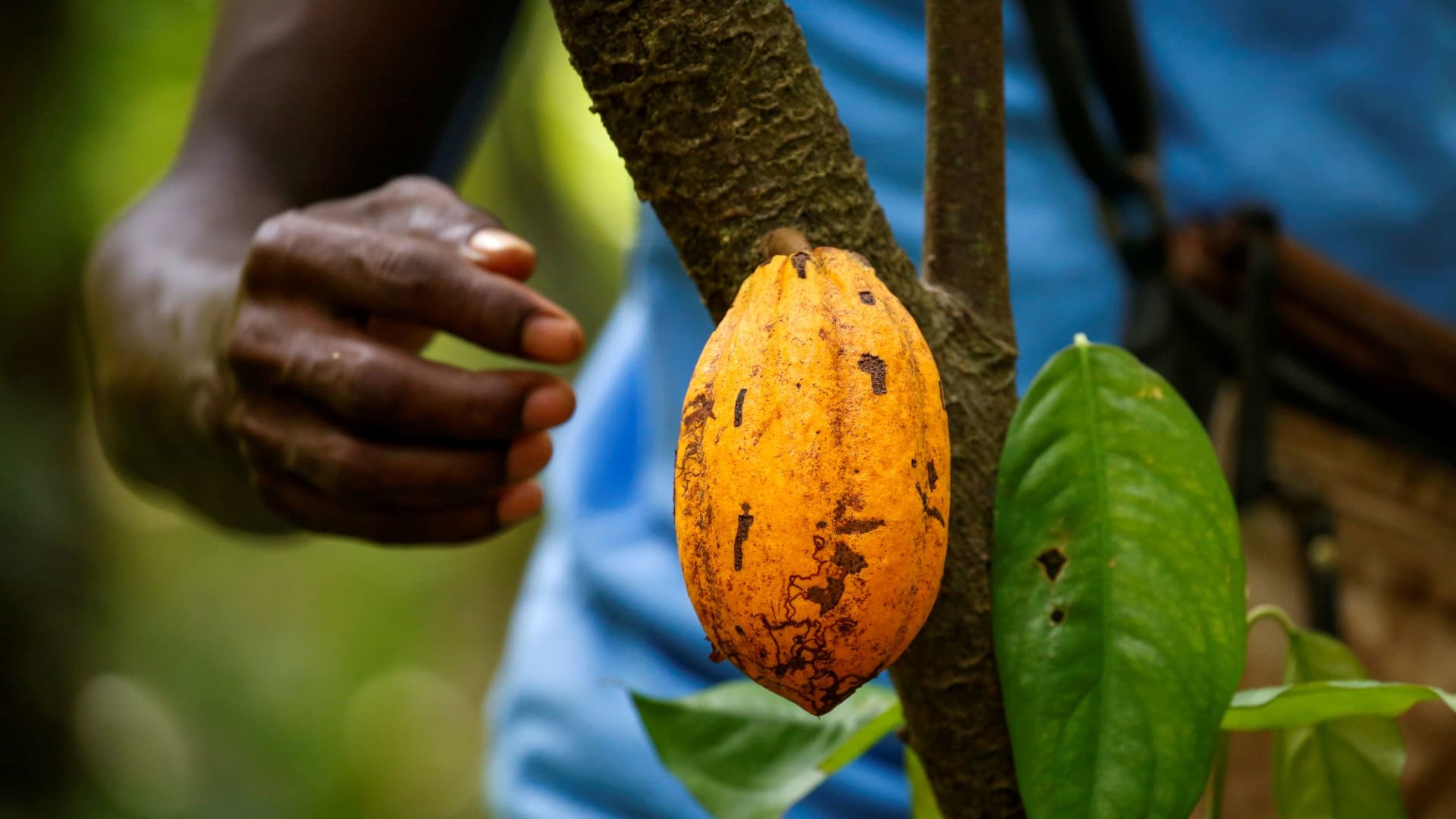



 Samah Tabba