How to Accidentally Train for Selection
By Matt Stone
I was a rambunctious seven-year-old the first time I watched somebody ride a skateboard, and I have not really gotten over it since.
My family had recently moved to a nice neighborhood in Laurinburg, North Carolina. We had previously lived on a farm in Robeson County, North Carolina. The most exciting thing I saw was endless tobacco, wheat, cotton, and corn fields. I tended to be a wild child from the beginning, and I was always a little daredevil and risk taker. That is why when I first saw my next door neighbors skateboarding, I was enamored from the start.
These guys were 7-8 years older than me, but they let me come watch them skate. I thought they were the coolest people I had ever met. The carefree attitudes, the hype around landing a trick, and the absurd and immature humor that skateboarders have made me think that these were my type of people. They also gave me my first CDs, The Offspring’s Smash and Green Day’s Dookie.
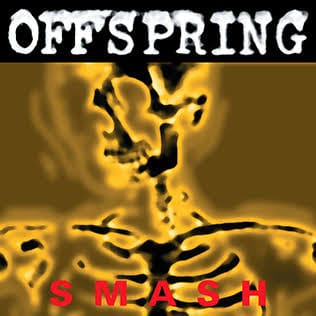
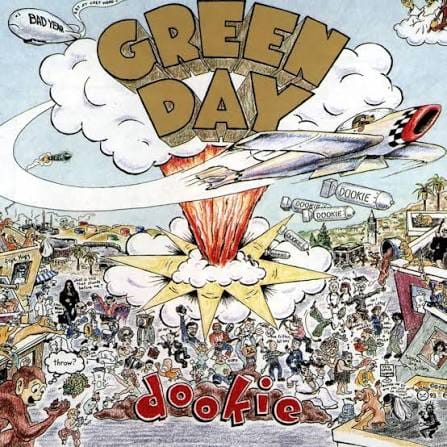
The first two albums I was given by my cool older neighbor when I was a kid. The first albums of The Offspring and Green Day.
They dressed cool, they were funny, they cussed, and they were having a blast riding these little wooden boards around and throwing themselves off ramps. I had to be one of them.
My parents bought me a skateboard in the 6th grade. I already felt like an outcast in an academically gifted program. As I began to rebel more, mainly angry that I had been forced to leave my friends to attend the school, skateboarding became my obsession. I practiced that first ollie for weeks, maybe even months, before I had it consistently.
Every single day after middle school, I had my neighborhood skater friends over, and we would skate until it got dark. Once they left, I kept practicing in my garage. Hours and hours and hours of failing, falling, cussing, and throwing my board in a rage when I could not land what I was trying. And I absolutely loved it.
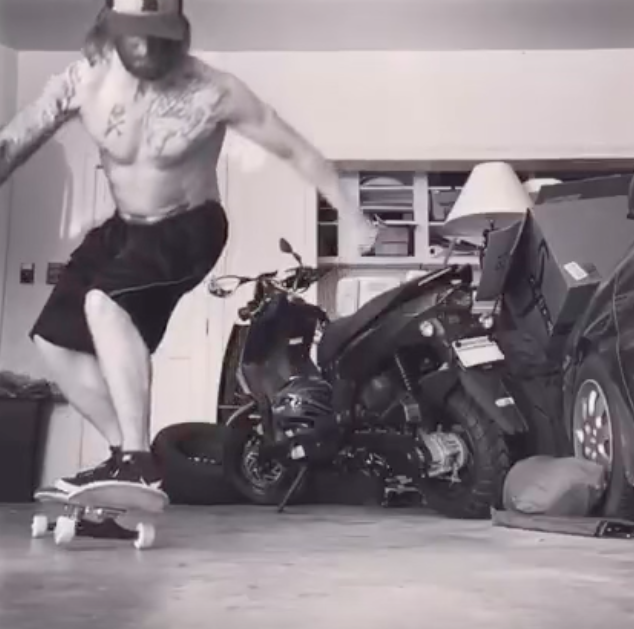
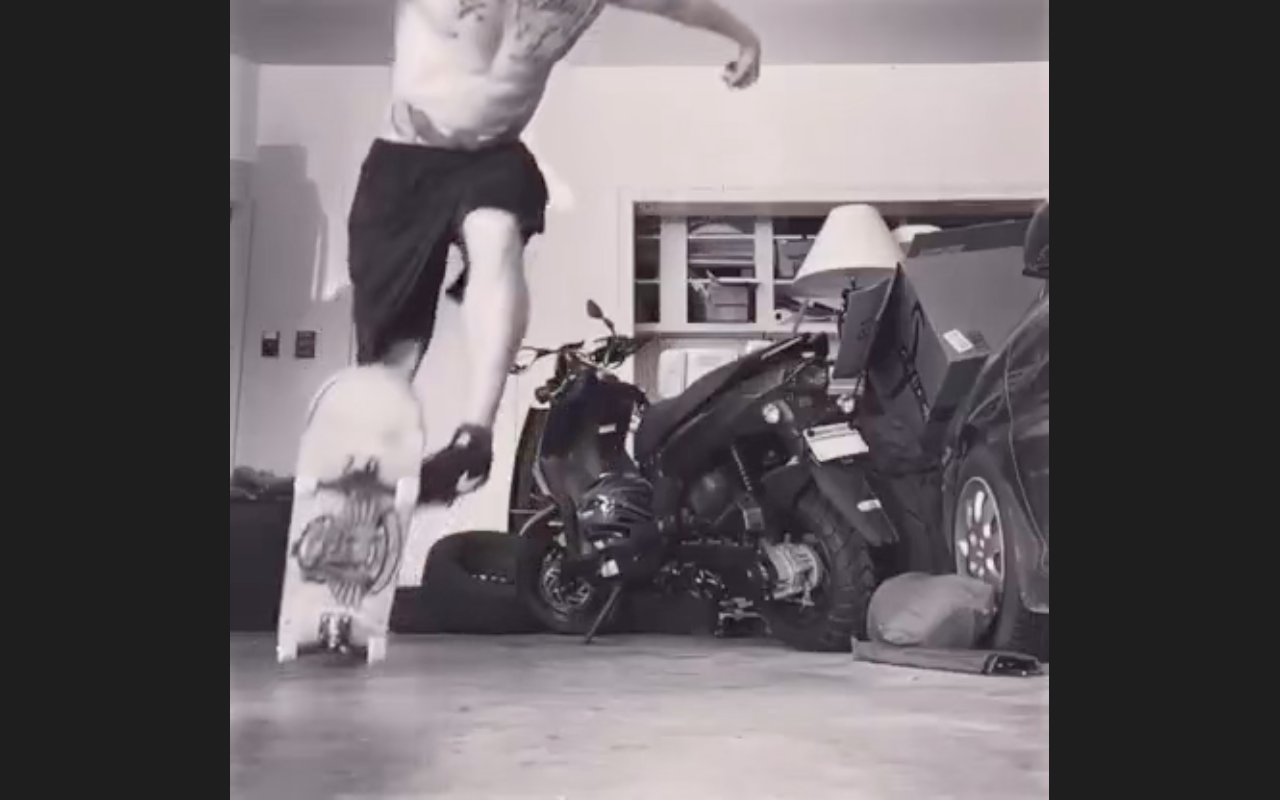
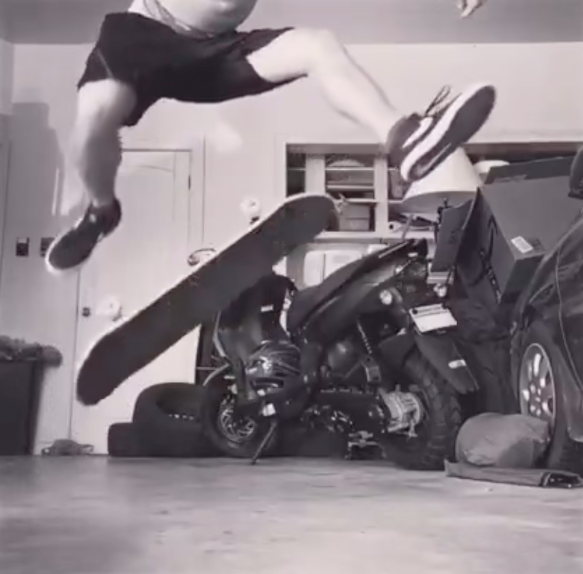
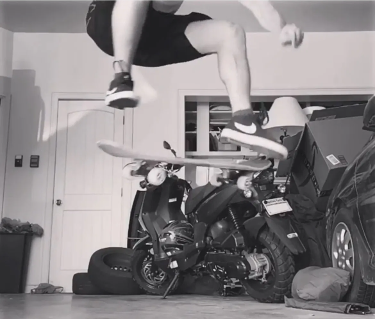
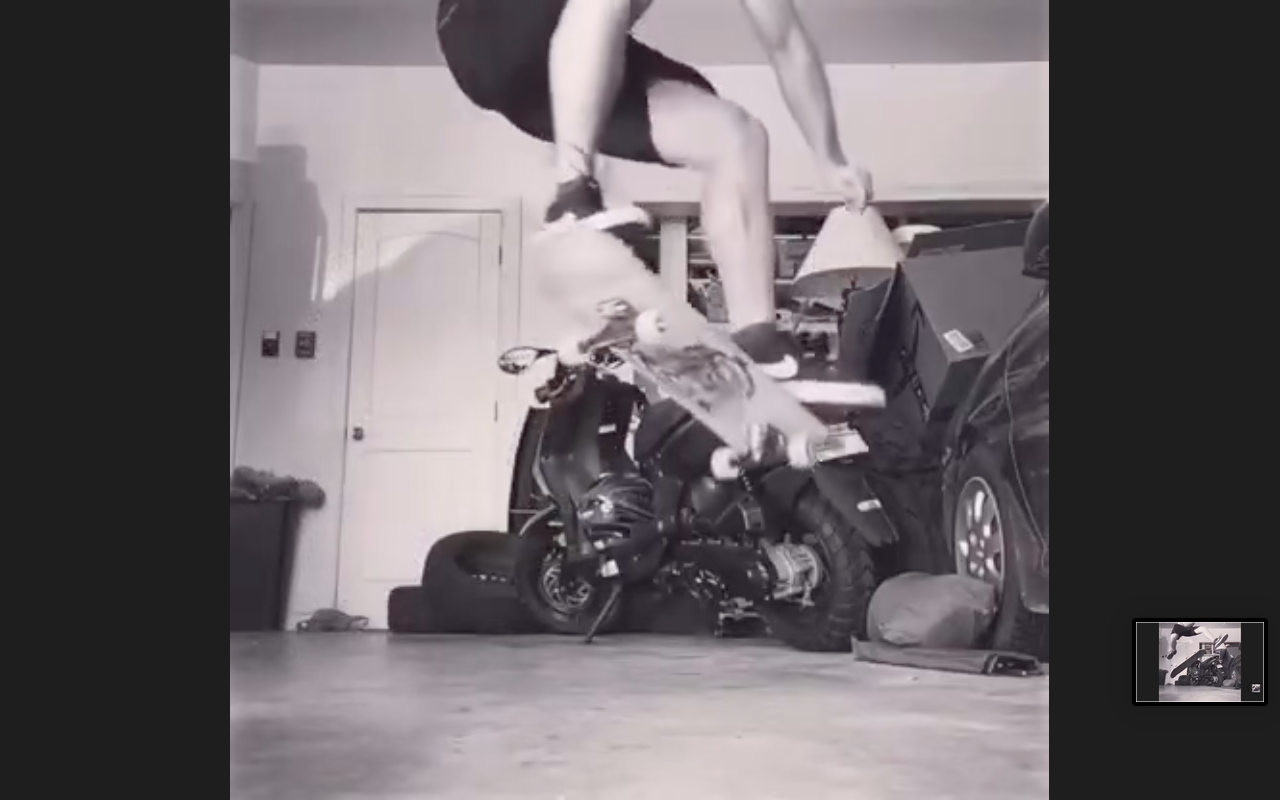
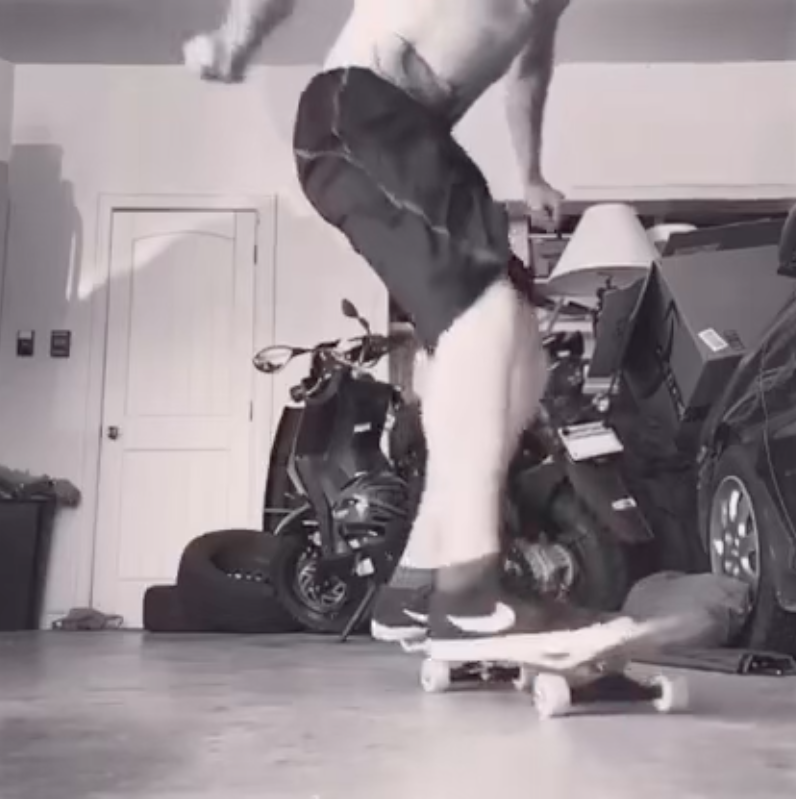
Frontside flip in the garage. Conducting experiments in the lab.(Matt Stone)
Gravity does not negotiate. Cement does not negotiate. Wood does not negotiate either. I appreciate things that do not negotiate. I know exactly what I am going to get every time. You do not bend them to your will. You learn their terms and you meet them, over and over, until you ride away from the trick you insisted on.
Skateboarding for Dummies
I landed that first ollie, and I was on cloud nine. The world opened up. What I used to think was impossible, I was now doing with ease. Then came the heelflip. Then the frontside 180 ollie, then I just kept learning trick after trick.
There are two types of skaters: Those who learn kickflips first, and those who learn heelflips first. The kickflip took me much longer to learn than the heelflip and the pop shove-it. I always tried different things than what all my friends were trying. I would try a trick until I landed it, regardless of the pain. Then my parents bought me a rail and two large skate ramps for the driveway, and my bag of tricks expanded considerably.
The experiment I did not know I was running
I skateboarded every single day that summer between 8th grade and 9th grade. By then I had been playing soccer and baseball for ten years, like every kid I grew up with. Same fields, same drills, same coaches, same summer conditioning camps that made all of us want to quit and none of us actually quit.
I showed up to soccer tryouts that Fall faster than every kid there. Not faster than most. Faster than all of them. And I want to be careful here, because this is the kind of story people tell about themselves in a way that gets bigger every year. So let me be precise about what makes it interesting. It was not that I got faster. It was that nothing else about my life had changed. Same food, same sleep, same practices, same genetics I had the year before. Granted, I was in the middle of puberty, but a different variable had entered the picture. Skateboarding.
Sprinting fast is not really about how strong your legs are. It is about how much force you can put into the ground in the fraction of a second your foot is touching it. Skateboarding is thousands of reps of exactly that. Every ollie is a violent, precisely timed push against the ground. Every landing is your body absorbing that force and immediately reloading it. You do that for four hours a day in a parking lot because it is fun, and you have accidentally done more explosive lower body training than any coach would ever assign you.
But speed is the smallest thing skateboarding gave me.
Skateboarding taught me about pain and perseverance more than anything. I slid my face across concrete, I fell on my balls on big rails, I hit myself in the face with my skateboard. One notable time, I had caught a screw with my knee on a mini ramp session. It ripped my knee wide open, but I continued drinking and skating the mini ramp, leg pouring blood. I ended up super gluing the wound shut and got back on the board.
Nobody made me do that. There was no coach, no whistle, no scholarship on the line. There was a piece of plywood, a hole in my leg, and the simple fact that I wanted to land the trick more than I wanted to stop bleeding on the transition. I was nineteen. I got back on the board.
I have been thinking about that night for twenty years, because I think it explains almost everything that came after it.
Four of us
By the time I was a senior in high school, I had moved to Southern Pines due to getting kicked out of high school in Laurinburg. I made a group of skater friends and acquaintances in Moore County, maybe 10 that consistently showed up to really skate. Four of the guys I skated with went into the Army, counting me. That is four out of one small group of kids from one town who were not being recruited, tracked, or steered toward anything. Two went into Special Forces, I went to Ranger batt and Ranger school, and our fourth buddy went to West Point and became an infantry officer. He has still never beaten me in a game of S.K.A.T.E., which I feel is the more impressive credential.
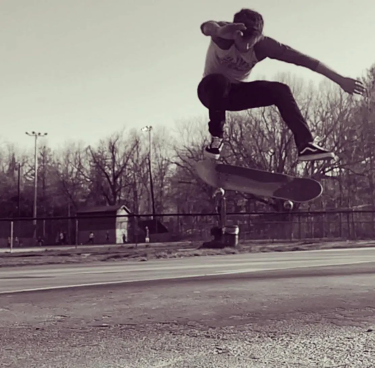
Four is a hard number to write off, when you consider how small the group of skaters actually was in Southern Pines, North Carolina. Two of the four, and I won't mention their names here, were brothers. Four of us came out of three houses. Their father was a high-ranking Army commander, but did not seem to put them on that path. They skated every day for years, same as the rest of us. That is the only thing all four of us had in common. Joining the Army was not something any of us had ever discussed. It just seemed like each of us was on his own path that inevitably led there.
So what is it about skating? I do not think it is fitness. Fitness, in my experience, is only a small part of what it takes to become a soldier, especially a Ranger or Green Beret. Plenty of high school athletes are fitter than skaters, yet the athletes I grew up with were not the ones who ended up in selection. It was the skater punks kicked out of high school, the guys that ran out of options, and the adrenaline junkies looking for the next adventure. I think it is this: skateboarding is the only activity I know of where failure is the entire experience, and nobody is watching to make sure you keep going. Failure is a way of life on a board.
Think about what learning a trick actually looks like. You try it two hundred times. You fail one hundred and ninety-nine of those times, in public, in a parking lot, in front of your friends, and the failures are not abstract. They hurt. The board shoots out and catches you in the shin. You come down on your wrist. You slide across asphalt on your face, which I have done more than once, and then you stand up, pick up your board, and roll back to the same spot to try it again.
There is no season. There is no team you get cut from. There is no adult telling you that you have to. The only thing keeping you there is that you decided to land it.
Now look at what military selection is actually testing. Not strength. They can build strength. What selection is looking for is the guy who keeps performing while he is cold, hurt, exhausted, and unsupervised. The guy whose motivation does not require an audience. The guy who has already made peace with failing in front of people and getting up anyway.
Skateboarding builds that profile before anyone hands you a rucksack. It is a years-long, self-directed course in tolerating pain and public failure for a reward nobody else can see the value of. We did not know we were training for anything. We thought we were skipping class to skate a ditch in Pinehurst.
The part I do not get to leave out
The truth is that it was not always just toughness: I was often drunk or on a cocktail of drugs, numbed to the world.
When I was skating with that knee open, I was absolutely hammered. I was a burgeoning alcoholic, if I am being straight about it. I was only saved by how utterly broke and poor I was most of the time. If I had money though, it was most certainly going to drugs or alcohol. So, some of what looked like toughness was that numbness, some of it was just not being able to tell how bad an idea was.
I do not think that cancels the lesson. I think it complicates it in a way that is worth saying out loud, because the tough guy version of this essay is a lie, and I have read enough of those. The perseverance was real. So was the fact that I was not entirely present for it. Both things built the same person.
What the body remembers
I spent something close to a full year of my life, added up, under a rucksack that averaged 75 pounds. Starved, sleep deprived, moving across flat ground, then mountains, then jungle and swamp. Not for fun. I did it because I had decided I was going to finish and nothing was going to stop me. I joined the Army as a simple cook, due to the bonus they offered. Still, I got sent to Benning for basic training, ran fast and kept my head down, was honor grad, and continued to do what the Army asked of me. Basic, Advanced Individual Training, Airborne school, the Ranger Indoctrination Program (RIP), time in Ranger battalion, Small Unit Ranger Tactics (SURT), and Ranger school. Being a Ranger was never part of the plan when I left the recruiter's office.
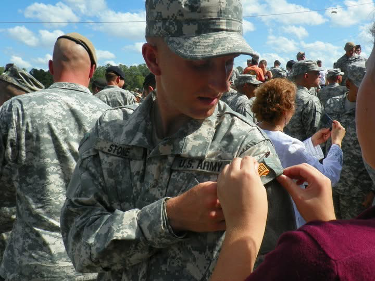
You do not train your core that way in a gym. A loaded ruck is hours of your deep stabilizers firing just to keep you upright, plus a posterior chain doing endless work on terrain that will not cooperate. All these years later my midsection is still thick with it and my calves and glutes are still built like the load is coming back tomorrow.
I am thirty-eight now. I lift more than I skate these days. Most mornings I look in the mirror and the first thought is that I let myself go. Then I actually look. And what is standing there is a body assembled by two things: a board and a ruck. The board taught it how to fall. The ruck taught it how to carry. Neither one gave the lesson gently, and neither one gave a shit about my opinion, my feelings, or anything else. You either carry the ruck, or you don't. You either land the trick, or you don't.
The trick I could not land at nineteen does not matter anymore. What mattered was the two hundred attempts, and the fact that nobody was making me take them. The hundreds of times I fell, scraped my knees and arms, smacked my head on concrete, and just generally ate shit made the lesson sink deeper each time I stood back up. When I eventually rode away from a trick with all limbs intact, it solidified for me that when I try hard enough, and long enough, that I will achieve my objective.
Skateboarding taught me about failure and perseverance in the face of pain. That prepared me for the Army, and the Army prepared me for everything that came after. None of it started with a recruiter. It started with a skateboard. It started with a kid who counted the fall as the price of doing business and kept paying it until he rode away.
I still have a board. I do not ride it the way I did, but every time I step on it my body knows exactly what to do with a fall. Nobody taught me that. Nobody made me learn it. I just kept getting back up in a parking lot until it was part of me. Pain is temporary. The parking lot will wait, gravity will wait, but neither will negotiate. You get up, you push, you go again. The whole time, the lesson was in the fall.
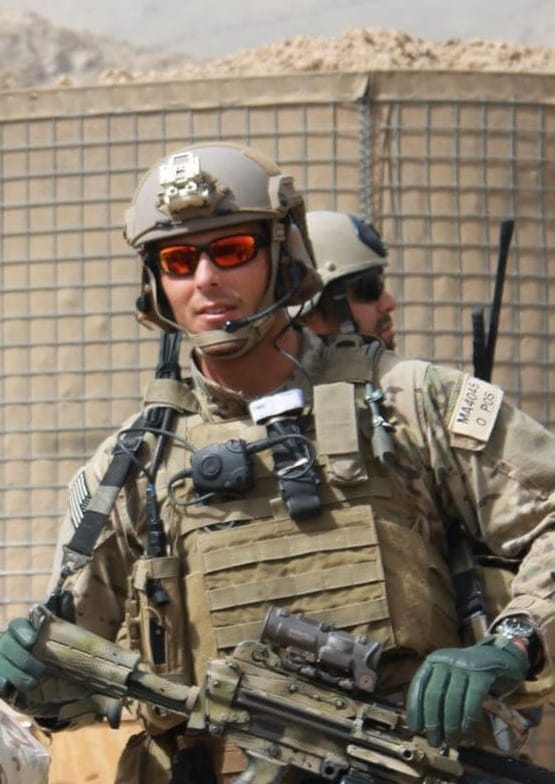
Four of us went. Three came home. Staff Sergeant Justin Marquez, one of the two who went to Special Forces, was killed by enemy small arms fire in Wardak Province, Afghanistan, on October 6, 2012. He was serving with 3rd Special Forces Group. He grew up in Aberdeen, ten minutes up the road from where we skated. The Army made him a Master Sergeant posthumously. I do not say this lightly, but he was the best of us. Not just as a soldier or on a skateboard. He was kind and loyal, always looking out for his friends. Kids in Moore County were still trying things he did years after he was gone, but nobody skated like Justin. He was in the parking lot with the rest of us, one of the best skateboarders I ever rode with, and he is the reason I do not get to write about any of this like it was all just a good time.
The Grounded stands behind every factual claim it publishes with a $100 accuracy guarantee. Find an error of fact and tell us. If you are right, we pay.
Member discussion