Karma's Most Wanted #10: Hill & Knowlton
An Expanded Indictment
Written and Edited By Matt Stone
Hill & Knowlton helped build a culture where harm becomes something to balance on a spreadsheet.
It made belief manageable.
If ExxonMobil represents the system that extracts and profits, Hill & Knowlton represent the system that makes those profits survivable when the evidence turns against them. Its work happened one layer back from the visible event. It operated in the space where public reaction forms, where uncertainty hardens or dissolves, where outrage either finds a target or loses its nerve. It helped clients endure the moment when facts started becoming expensive.
This is not abstract. It is documented across industries, across decades, and across some of the most damaging public relations campaigns in modern history. Tobacco. Infant formula. Asbestos. War. Climate. Different products. Different victims. Different scales of suffering. The same underlying craft.
The craft was timing.
Slow certainty when action would hurt the client. Accelerate emotion when urgency would help the client. Complicate blame when moral clarity became dangerous. Surround a scandal with enough process, enough experts, enough statements, enough institutional fog, and the public begins to lose its grip on the simple human reality underneath.
That is the mechanism, the legacy which led us down the road into the world we live in now.
Tobacco
Tobacco is where the structure became unmistakable.
In late 1953, as evidence linking smoking to cancer began hardening in public, leaders from the major U.S. tobacco companies met at the Plaza Hotel in New York and hired John Hill to manage the crisis. The result was the 1954 “Frank Statement to Cigarette Smokers,” published in hundreds of newspapers. It did not need to prove cigarettes were safe. It only needed to keep the public from feeling justified in treating the science as settled. So it emphasized uncertainty. It promised more research. It announced the creation of the Tobacco Industry Research Committee, which presented itself as an independent scientific body committed to finding the truth.
Later records made the real function clearer. The committee worked as a buffer. It helped question unfavorable findings, highlight ambiguity, and keep the issue alive in the public mind. The argument did not need to be won cleanly. It only needed to be kept open. That was enough. If certainty never fully arrived, regulation slowed. Journalists hedged. Consumers kept smoking. Politicians waited. The market continued.
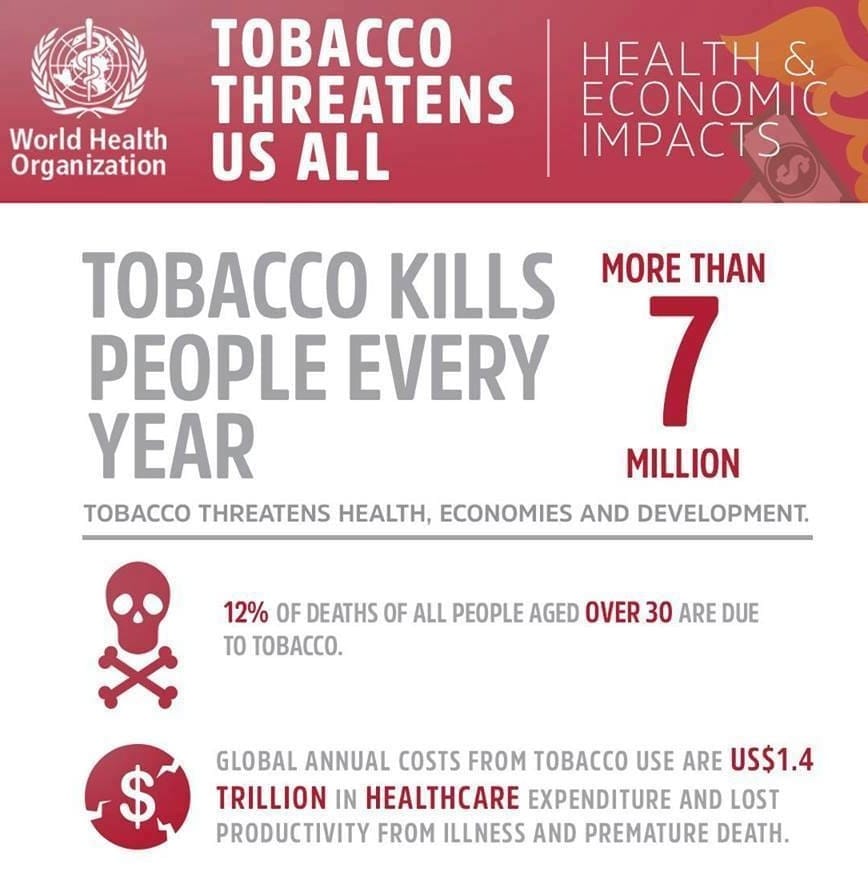
The cost of that delay is almost impossible to overstate. Every year of managed uncertainty meant more addiction, more lung cancer, more emphysema, more heart disease, more people gasping for air in hospital beds while the public absorbed the suggestion that the science was still under discussion. Hill & Knowlton did not make the cigarettes, but it helped create the breathing room that allowed the death toll to keep climbing.
That was the blueprint. Doubt could be treated as a product. If science never gets the last word, then power belongs to those who can keep the argument from closing.
John Hill built Hill & Knowlton around a simple idea: Corporations did not just need defenders. They needed interpreters who could reshape how the public understood harm. Before the firm became synonymous with tobacco and later fossil fuel messaging, Hill was already working closely with heavy industry and Standard Oil, helping powerful clients explain themselves to skeptical reporters and the public.
That approach matured into something more systematic. The same network that defended oil interests also helped construct the tobacco industry’s research front, showing how one communications architecture could serve multiple industries at once. The technique traveled easily. Once the firm learned how to turn public backlash into technical debate, the method could be applied anywhere reputational risk threatened profit.
That includes controversies like Nestlé’s water extraction, where the fight shifted from a visible moral question about privatizing essential resources to a technical dispute about sustainability, permits, and modeling. The structure is the same. Control interpretation, stretch the timeline, and the underlying practice continues while the argument drags on.
Nestle
The same logic appeared again in Nestlé’s infant formula controversy, though the terrain was different and uglier in its own way.
By the late 1970s, Nestlé faced a growing international boycott over the marketing of infant formula in developing countries. Critics argued that aggressive promotion of formula in places without reliable access to clean water, sterilization, literacy, or money for consistent supply had contributed to infant illness and death.
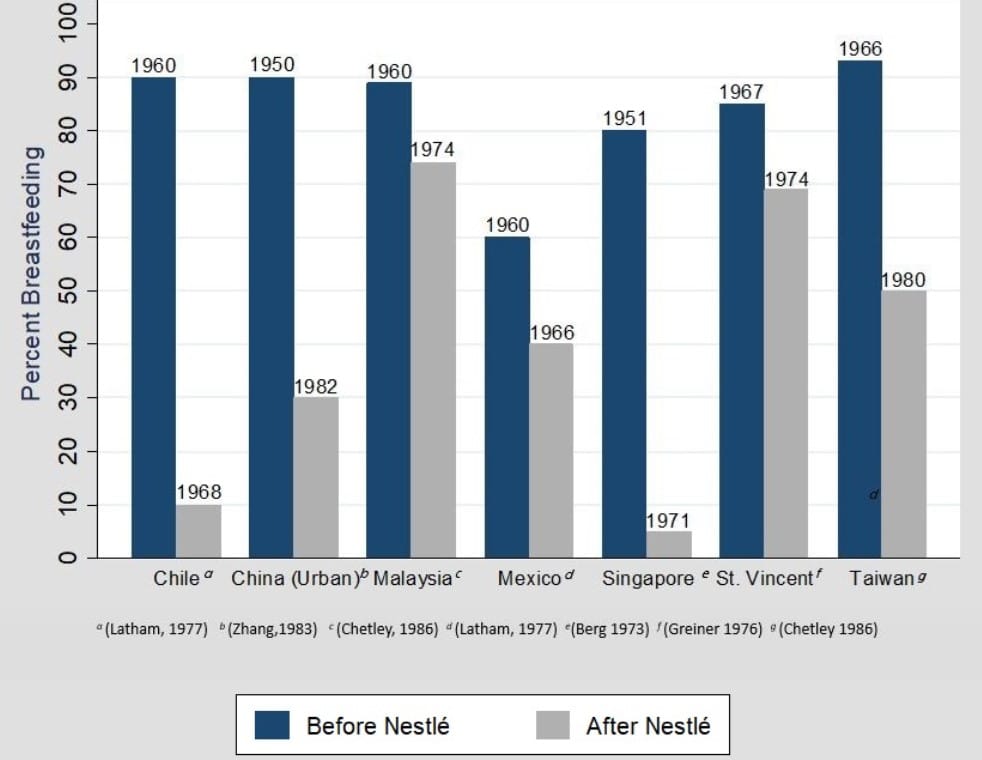
Mothers were encouraged away from breastfeeding in environments where bottle feeding could become dangerous or fatal. Many mothers would become dependent on the formula and stop producing breastmilk naturally. The issue cut straight through the usual corporate language. This was not a matter of image alone. This was about whether one of the largest companies on earth had helped knowingly create conditions in which babies died.
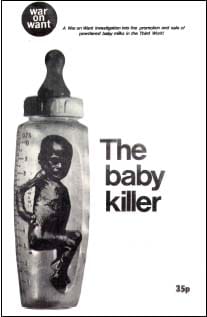
Nestlé brought in Hill & Knowlton.
That detail matters because this case required a different kind of manipulation. Tobacco could be managed as scientific dispute. Nestlé presented a moral emergency. Babies dying produces a level of clarity that no corporation wants to face directly. So the public relations task became one of softening that clarity.
Stress education. Stress responsible use. Stress the company’s intentions. Spread the blame across infrastructure, poverty, public health systems, and local conditions. Push the issue out of the register of direct corporate harm and into a fog of complexity. Flood the conversation with bureaucratic language until blame fractures into a kaleidoscope of responsibility.
The suffering did not disappear. The argument around it changed shape.
That is the deeper point. Hill & Knowlton helped create room for the company to survive the recoil. It helped shift the public from a simple moral response to a managed ambiguity. In practice, that meant outrage lost sharpness, the company gained time, and the people who carried the risk remained poor mothers and infants with almost no margin for error.
Nestlé not only survived the infant formula crisis. It later became notorious for water extraction controversies in poorer and politically weaker communities.
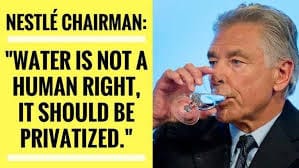
“There are two different opinions on the matter. The one opinion, which I think is extreme, is represented by the NGOs, who bang on about declaring water a public right. That means that as a human being you should have a right to water. That’s an extreme solution.” - Former Nestle CEO Peter Brabeck
Hill & Knowlton’s role in Nestlé’s water controversies matters for the same reason its role mattered everywhere else. The deeper issue was never just the extraction itself, though that was bad enough. It was the management of public perception once people started noticing what was happening.
Nestlé faced backlash in multiple countries for pumping groundwater out of vulnerable regions, often at extremely low cost, bottling it, and selling it back at a premium while surrounding communities dealt with water stress, lowered water tables, and growing scarcity. That should have been a straightforward moral question. Who gets to profit from a basic human necessity while poorer communities absorb the risk?
Instead, the conversation got pushed into the familiar swamp of technical language. Sustainability studies. Regulatory compliance. Recharge rates. Community investment. Responsible stewardship. Suddenly the burden shifted onto ordinary people to argue with corporate reports, hydrological models, and expert framing while the core reality stayed the same.
A multinational corporation was extracting essential water from places with the least power to resist and defending it through the language of management, legality, and long-term planning. Many in these villages could barely read or write, much less face an army of Ivy league attorneys trained in the dark arts of expert manipulation. That is exactly where a firm like Hill & Knowlton becomes useful. It helps turn visible exploitation into a prolonged debate. It softens the moral clarity, stretches the timeline, and gives the client room to keep doing what it was already doing.
Asbestos
By the early 1970s, evidence that asbestos exposure caused catastrophic disease was becoming harder to ignore. Workers exposed on the job were developing asbestosis, mesothelioma, and lung cancer, often after years or decades of inhaling fibers in industrial settings. Families were dealing with slow death and permanent damage long before the full scale of the hazard entered public consciousness. Hill & Knowlton played a role in helping create and operate the Asbestos Information Association, an industry-backed body built to answer rising concern with technical caution, expert framing, and managed discussion.
The move is familiar once you see it. A brutal human reality gets translated into a technical dispute. Harm becomes a question of thresholds. Poisoning becomes a matter of responsible handling. The public no longer sees workers being sacrificed to profit. The public sees experts discussing exposure levels and procedural nuance.
That shift has real consequences. Urgency drops. Accountability slows. Regulators move at the pace of review. Companies keep operating. Workers keep inhaling fibers. People keep dying while institutions explain.
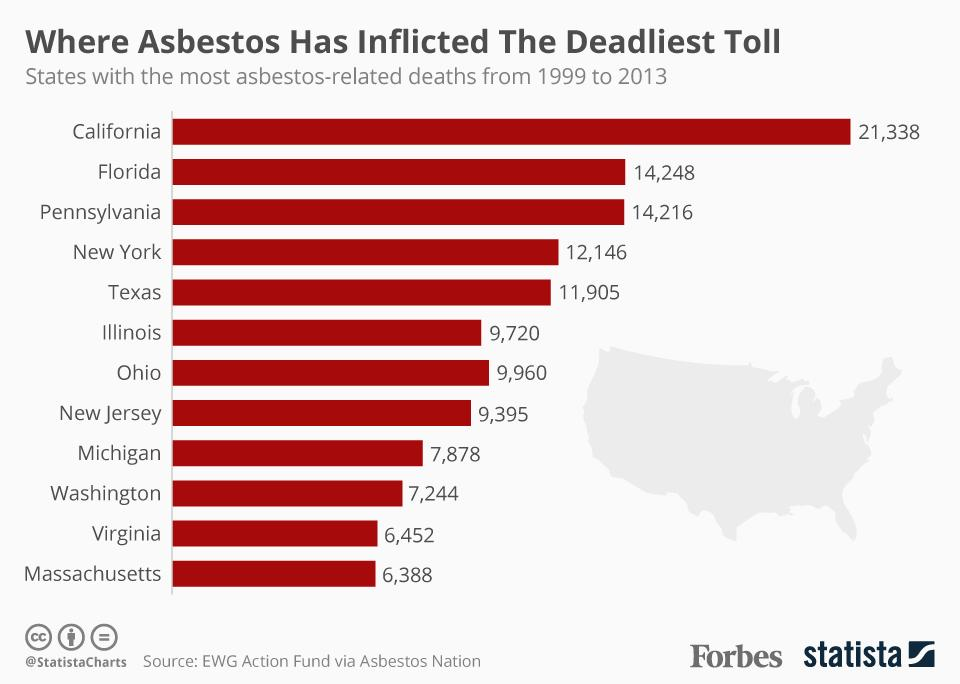
The damage in this case was slow, physical, intimate, and permanent. Scarred lungs. Terminal cancers. Households wrecked over time. Hill & Knowlton helped surround that reality with enough professional language that the simple truth of the harm could be delayed in public consciousness.
Kuwait and the Gulf War
The Gulf War case revealed the same machinery under a different tempo.
In 1990, after Iraq invaded Kuwait, Hill & Knowlton was retained by Citizens for a Free Kuwait, an organization funded by the Kuwaiti government. The firm coordinated a campaign to build U.S. public support for intervention. This included media outreach, message development, and preparation of witnesses for congressional testimony.
In October of that year, a young Kuwaiti woman identified only as “Nayirah” testified before the Congressional Human Rights Caucus that Iraqi soldiers had removed babies from incubators in a Kuwaiti hospital and left them to die. The account spread rapidly. Major media repeated it. U.S. officials, including President George H. W. Bush, cited it in the case for war.
The story landed because it was designed to land. It condensed horror into a single image that could travel instantly and morally electrify the public.
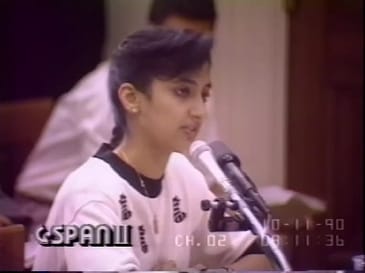
Subsequent investigations found the story false. Nayirah was the daughter of the Kuwaiti ambassador to the United States, and her testimony had been arranged as part of the broader public relations effort.
By then, the emotional effect had already done its work.
That is what makes the case so corrosive. Tobacco bought time by slowing certainty. Kuwait generated urgency by accelerating shock. The machinery adjusted to the needs of the client. Here the public was not taught to hesitate. The public was pushed to feel before verification could catch up. Once war consent begins moving through a democracy, later corrections carry almost no moral weight. The dead do not come back because a public relations narrative later unraveled.
This is why the lesson is larger than one false story. Professionally constructed emotional narratives, strategically timed, can shape public consent before the truth has a chance to catch up.
Climate Change
By the time climate science began threatening the long-term viability of fossil fuel business models, the playbook was already mature.
The public relations task no longer required total denial. It required delay. The 1998 American Petroleum Institute “Global Climate Science Communications Action Plan” captured the logic in plain language. Its aim was to influence how climate science was perceived by the public, policymakers, and media. One of its measures of success was that average citizens and journalists would recognize uncertainties in climate science.
The plan emphasized credible messengers, media engagement, and framing that could slow regulatory momentum. ExxonMobil was part of the broader industry network connected to those efforts, even though its own internal research had already demonstrated substantial understanding of climate risk. Public messaging moved in a different register, one where uncertainty remained prominent and urgency stayed soft.
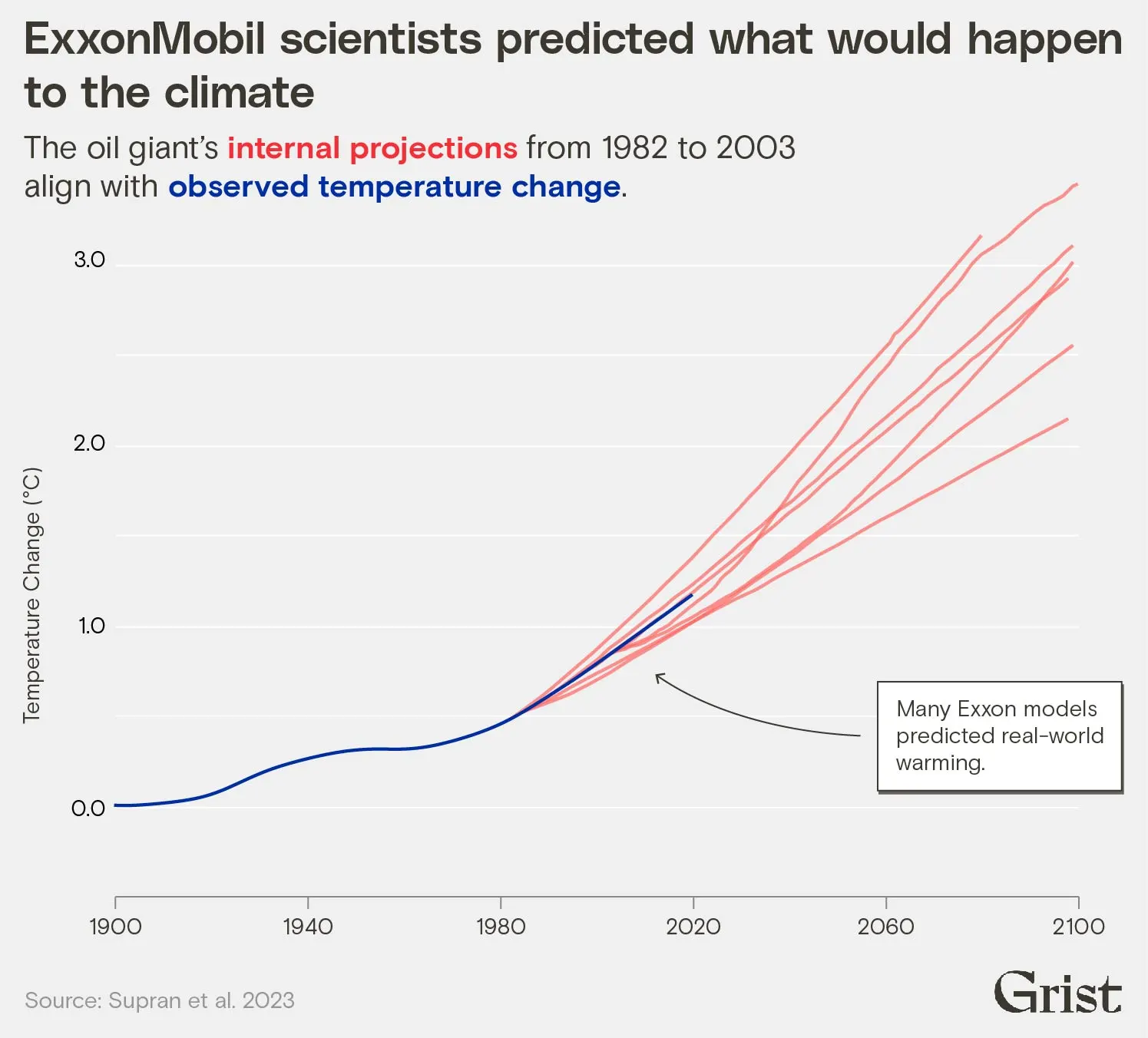
What mattered was not proving the science wrong. It was keeping the consequences from arriving on time. If the public could be made to think the science was still unsettled, then regulation could be framed as premature, journalists could be pushed toward false balance, and politicians could keep hiding inside procedural caution. That is what made the strategy so effective. It did not need to erase the evidence. It only needed to interrupt the moment when evidence hardens into action.
That is also why Exxon’s role matters. The company’s own internal research showed a substantial understanding of climate risk decades ago, yet its public posture moved through a different channel, one that kept uncertainty alive in the political bloodstream long after the science itself had matured. The result was not confusion by accident. It was delay by design.
Hill & Knowlton belongs in this story because the climate arena did not invent a new communications logic. It inherited one. The older lesson from tobacco remained intact. You do not need to defeat the science. You need to interrupt the translation of science into political consequence.
The harm here is harder for people to emotionally process because it does not always arrive as one scandal, one corpse, or one defining image. It arrives cumulatively. Heat. Fire. Flood. Drought. Crop failure. Water stress. Displacement. Insurance collapse. Fragile infrastructure pushed past design limits. A future that gets thinner by degree and by delay. Managed uncertainty in this arena does not merely protect quarterly profits. It burns through generations.
That is why climate may be the most devastating expression of the playbook. The same basic method once used to protect cigarettes and muddy toxic exposures now helps slow action in the face of planetary instability.
Across all five cases, the structure stays recognizable.
With tobacco, the objective was to keep scientific consensus from translating into regulation.
With Nestlé, the objective was to soften moral outrage and complicate blame.
With asbestos, the objective was to bury deadly harm under technical language and procedural caution.
With Kuwait, the objective was to accelerate public support through emotionally compelling narrative.
With climate, the objective was to stretch uncertainty and complexity long enough to slow policy response while the damage accumulated.
Different outcomes. Same underlying method.
Control how information is felt, and you can influence what a society is willing to do about what it knows.
That is what Hill & Knowlton helped formalize. It made influence systematic. It showed corporations, governments, and trade groups that public reaction could be managed through timing, framing, emotional calibration, and the cultivation of uncertainty. A direct lie was not always necessary.
Sometimes a front group was enough. Sometimes a committee with a sober name did the job. Sometimes the message only needed to buy time. Sometimes it only needed to deliver a burst of horror at the exact right moment. Either way, the point was the same. Shape the interval between evidence and response to muddy the waters of the scientific method.
This is why the focus cannot remain on any single corporation. ExxonMobil did not invent doubt. It operated in a landscape where doubt had already been refined into a usable instrument. A tool that could protect revenue, extend timelines, and keep the public suspended between awareness and action.
Once that tool exists, it does not stay contained. It becomes part of the environment. Other firms adopt it. Other institutions adapt it. Media ecosystems reward it. The playbook outlives the campaign that made it famous.
That is the real product.
And once you see that, the rest of the system stops looking like a series of isolated failures. It starts to look like coordination without conspiracy. A structure that does not need to lie all the time. It only needs to make sure the truth arrives too late to matter.
Where the Method Shows Up
By now, the pattern should be familiar. Not because the same company is always involved, but because the same method keeps reappearing. A problem emerges. Evidence builds. The stakes become clear. Then the response arrives in the space between denial and accountability.
Uncertainty.
It showed up in tobacco, where the science did not need to be defeated, only delayed. It showed up in Nestlé, where a humanitarian backlash had to be softened and spread across enough context that responsibility lost its edge. It showed up in asbestos, where poisoning had to be recoded as technical dispute. It showed up in the lead-up to war, where emotional narrative outran verification just long enough to move policy. It showed up in climate, where complexity and disagreement stretched urgency into decades.
You can see the same structure in corporate disasters, where events are framed as isolated while investigations unfold. You can see it in financial crises, where language becomes technical enough to soften risk and diffuse blame. You can see it in pharmaceutical controversies, where benefits are foregrounded and harms are managed through sequence, tone, and selective emphasis until the timeline moves forward. The industries change. The structure does not.
The method is simple.
Slow certainty.
Shape perception.
Buy time.
Hill & Knowlton did not need to be present in every case for the method to spread. Once it worked, it became standard. Once it became standard, it became hard to see. Now it is fully operational and the foundation for the status quo.
Now the scale is different.
Artificial intelligence does not introduce a new strategy. It removes the limits of the old one. Messages can be generated instantly, tested continuously, and tailored to different audiences at the same time. Contradictory narratives can exist side by side, each convincing enough to prevent consensus. Information does not need to be controlled completely. It only needs to be fragmented.
That is enough, because fragmentation kills the one thing collective action depends on: shared reality. The old system had to work harder. It needed gatekeepers, press releases, front groups, carefully placed experts, and enough institutional discipline to keep the public suspended between suspicion and certainty. AI lets that same logic operate at industrial speed. Now the fog can be customized. It can meet people where they already are, speak in the tone they already trust, and reinforce the version of events they are already most inclined to believe. The result is not persuasion in the old sense. It is the collapse of any stable ground on which persuasion could even happen.
Once that happens, truth does not need to be defeated. It only needs to be forced to compete. One narrative says the danger is real. Another says it is exaggerated. Another says it is a hoax. Another says the other side is using the crisis for power. Another says nobody can really know. Another says the experts are compromised. Another says the evidence is solid but action would be reckless. Another says action is urgent but someone else should pay for it. Each story does not need to convince everyone. It only needs to convince enough people, in enough different ways, to keep consensus from forming. That is the genius of the new environment. It weaponizes contradiction itself.
That is why artificial intelligence is not just another communications tool. It is an accelerant for every system that already benefits from confusion. It takes the old machinery of managed perception and scales it beyond the limits of human labor. More messages that require more testing. More adaptation that comes with more contradiction. More emotional precision. More fog. The old playbook bought time by slowing certainty. This one can make certainty itself feel unreachable. And if certainty feels unreachable, then accountability starts to look unfair, urgency starts to look hysterical, and action starts to feel premature by default.
And once contradiction becomes ambient, institutions get cover. Corporations and governments get cover. Delay no longer has to justify itself through one coherent lie. It can hide inside the noise. Responsibility can be broken into a thousand competing claims, each plausible enough to keep outrage from hardening into consequence. In that environment, the public does not need to be silenced. It only needs to be divided, exhausted, and overwhelmed. People stop asking what is true and start asking which version is least insulting, least inconvenient, or least exhausting to live with.
That is enough to keep the machine running.
Action requires agreement and agreement requires clarity. If clarity is delayed, action is delayed. If action is delayed, the system continues. Confusion remains the fuel for the system.
That is the through line.
Once you see it, the question changes. The question is no longer whether this structure exists. The question is whether anything can move faster than it, or survive in spite of it.
Sources
- “A Frank Statement to Cigarette Smokers.” Tobacco-Free Kids. January 4, 1954.
- “Hill & Knowlton.” Tobacco Tactics. University of Bath.
- Nestlé. “Nestlé Boycott.” Nestlé.
- Africa Check. “Does Nestlé Chair Brabeck-Letmathe Say Water Isn’t Human?” Africa Check.
- Oreskes, Naomi, and David Rosner. “Discrediting Knowledge: The Attack on Asbestos Science.” American Journal of Public Health 106, no. 9 (2016): 1516–28.
- “Nayirah Testimony.” Wikipedia.
- American Petroleum Institute. “Global Climate Science Communications Action Plan.” 1998.


Member discussion