Karma's Most Wanted #9: Tricia Cotham
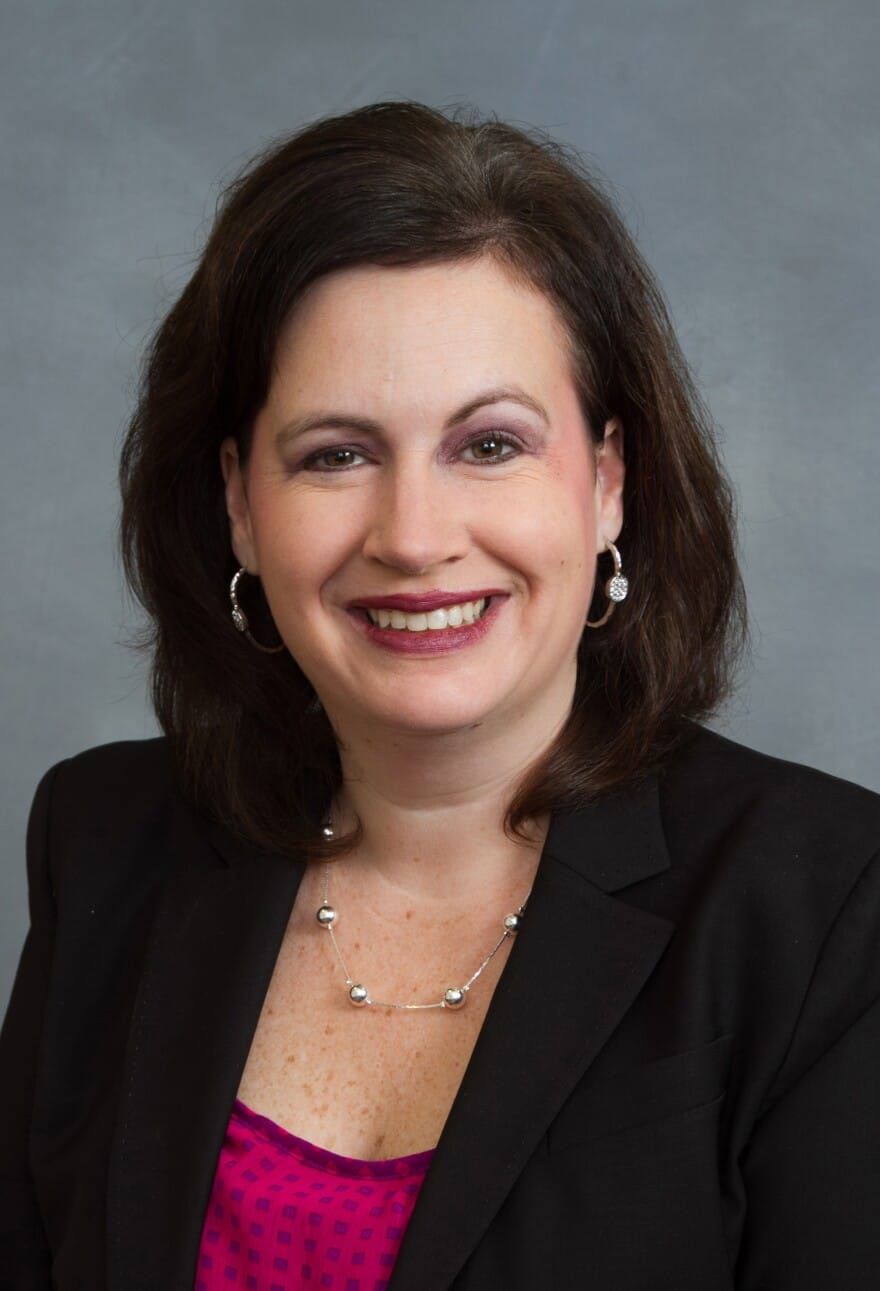
Tricia Cotham was the real thing. That was the whole point of her. That was the entire product she was selling.
She stood on the House floor in Raleigh in 2015 and told her colleagues she had an abortion. Not as a debate point, not reading from a script some consultant handed her. As a woman, in front of her peers, talking about her own body, her own medical emergency, her own life. The room went quiet. People remembered it. That kind of moment is not nothing. That kind of moment is what builds trust with constituents who have spent years watching politicians treat their bodies like a policy dispute to be triangulated. She used her own trauma to bond to very people she would betray.
EMILY's List endorsed her. Progressives in Mecklenburg County gave her money and knocked doors for her. She ran in a district Joe Biden had won easily and she won it by eighteen points. She posted on Facebook that North Carolina needed "experienced, progressive leadership that will fight to expand health care access, invest in our public schools, and grow our economy in an equitable way." She co-sponsored a bill to codify abortion protections after Roe was overturned. She was, by every available measure, one of them.
She was not one of them.
Republican-aligned PACs were funding more than two-thirds of her primary. While she was still accepting endorsements. While she was still doing the speeches and playing the abortion card until the edges frayed. Multiple Republicans later acknowledged they had been encouraging her to run for office while she was still registered as a Democrat. The transaction was already complete. She just had not cashed the check yet.
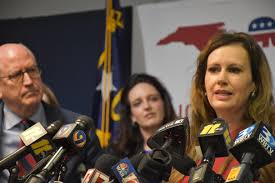
She waited until April 5, 2023. Then she drove to North Carolina Republican Party headquarters in Raleigh, stood next to Republican leadership at a press conference, and announced she was switching parties. The room full of the people who had been quietly paying for her campaign applauded. It was a warm scene. She had delivered exactly what she had been paid to deliver.
What she delivered, concretely, was a veto-proof supermajority. Republicans had held majorities in both chambers of the North Carolina General Assembly for years. What they had been missing was the ability to override Democratic Governor Roy Cooper's vetoes. Cotham's one vote closed that gap. One single vote. After she crossed the aisle, Republicans held 72 seats in the 120-seat House, exactly the threshold required. Cooper's veto power, the last meaningful check on the Republican legislative agenda in North Carolina, was gone.
They did not wait long to use it.
Six weeks later, Republicans passed Senate Bill 20, the Care for Women, Children and Families Act, because the people who write these bills have always understood the power of naming. The bill banned abortion at 12 weeks, down from the current limit of 20. Cooper vetoed it on Mother's Day weekend, surrounded by physicians and advocates at a public rally in Raleigh. He stood in front of about a thousand people and said what everyone already knew: "Standing in the way of progress right now is this Republican supermajority legislature that only took 48 hours to turn the clock back 50 years on women's health."
On May 16, the House voted 72-48 to override the veto. Every Republican voted yes, including Tricia Cotham, who had stood on that same House floor eight years earlier and talked about her own abortion. She voted yes, then released a statement saying the bill "strikes a reasonable balance on the abortion issue." She called herself a hypocrite, preemptively, before anyone else could, and then explained why she wasn't one. Anyone who disagreed was holding an "extremist position." Yeah, this bitch is a hypocrite.
When the override passed in the House, the gallery erupted. People were screaming "Shame." Republicans cleared the room.
North Carolina was not just another state on the map after Dobbs. When the Supreme Court overturned Roe in June 2022 and states across the South moved immediately to ban or severely restrict abortion, North Carolina became a lifeline. Women drove from Alabama, Georgia, South Carolina, Tennessee, Florida, Texas. In 2023 alone, nearly 16,000 people traveled from out of state to North Carolina to access abortion, making up about 35 percent of all abortions performed in the state. North Carolina was running second in the country, behind only Illinois, in the number of out-of-state patients it was absorbing. Clinics were already stretched. The infrastructure was already strained. And it was holding.
After the 12-week ban went into effect on July 1, 2023, facility-based abortions declined 31 percent in the first month. Women who had been driving to North Carolina because it was the closest option now had to keep driving. To Virginia, to Maryland, to Illinois. Clinics that had been seeing patients from Alabama, Florida, Georgia, Louisiana, Mississippi, South Carolina, and Texas started referring those women to providers farther north. A woman in Georgia who had been able to make a four-hour round trip was now looking at flying to Chicago or driving to DC. For women without money, without time off, without someone to watch their kids, that is not an inconvenience. That is a closed door.
Tricia Cotham closed it.
Then she disappeared. No town halls. No responses to constituents. People who had known her personally for two decades sent texts and got nothing back. Former allies emailed her official legislative address and heard nothing. She collected a gerrymandered district to run in as a Republican, and the community that had trusted her with their reproductive futures got ghosted.
When pressed on why she switched parties, she said Democrats had criticized her for using an American flag emoji and praying hands on social media. That someone had cursed at her in a store. That the party had become "unrecognizable."
That's what she said. On the record. Into a microphone. After casting the vote that closed clinics across the Southeast.
And while you are reading this, the legislature Tricia Cotham built is still at work. On May 13, 2026, North Carolina Republicans filed House Bill 1232, which would classify abortion as first-degree murder and explicitly authorize any person to use deadly force to stop one. Against the woman. Against the doctor. Against the clinic staff. No exceptions for rape or incest. No exceptions if the mother is dying. One of the co-sponsors pulled his name from the bill within days because even he understood how it looked. They will file something this monstrous and then run from the cameras. That is what one vote bought. This is what O'l Tricia gave us.
Democrats in the state Senate filed a bill that would require legislators who switch parties midterm to face an early election if they want to keep the seat. It was the right instinct. It went nowhere, because Republicans controlled the legislature. Because Tricia Cotham had given them the legislature.
She is still in office. Still not answering.
In North Carolina they made up a name for her almost immediately. They said it at press conferences. They put it on mailers. They said it to her face before she stopped showing her face.
Turncoat Tricia.
It fits because what she did was not a change of heart. People change their minds. Politicians evolve on issues, sometimes cynically, sometimes genuinely. That is not what happened here. What happened here is that she presented herself as one thing, accepted the trust and the donations and the votes of people who believed her, and then delivered the exact opposite of everything she had promised to the people who were paying her to do it all along. That is not evolution. That is a con. And the people who got conned were not donors or party officials or political operatives who should have known better. They were constituents in a blue district who voted for the woman who had stood on a House floor and made herself vulnerable in front of her colleagues because they believed that vulnerability was real.
Maybe it was real, once. Maybe she meant every word of it in 2015. It doesn't matter now. What matters is what she did with it.
She sold it.
Karma's Most Wanted: Tricia Cotham
Tricia Cotham was the real thing. That was the whole point of her. That was the entire product she was selling.
She stood on the House floor in Raleigh in 2015 and told her colleagues she had an abortion. Not as a debate point, not reading from a script some consultant handed her. As a woman, in front of her peers, talking about her own body, her own medical emergency, her own life. The room went quiet. People remembered it. That kind of moment is not nothing. That kind of moment is what builds trust with constituents who have spent years watching politicians treat their bodies like a policy dispute to be triangulated.
EMILY's List endorsed her. Progressives in Mecklenburg County gave her money and knocked doors for her. She ran in a district Joe Biden had won easily and she won it by eighteen points. She posted on Facebook that North Carolina needed "experienced, progressive leadership that will fight to expand health care access, invest in our public schools, and grow our economy in an equitable way." She co-sponsored a bill to codify abortion protections after Roe was overturned. She was, by every available measure, one of them.
She was not one of them.
Here is what was actually happening while Tricia Cotham was running that campaign. Republican-aligned PACs were funding more than two-thirds of her primary. While she was still accepting endorsements. While she was still doing the speeches. Multiple Republicans later acknowledged they had been encouraging her to run for office while she was still registered as a Democrat. The transaction was already complete. She just had not cashed the check yet.
She waited until April 5, 2023. Then she drove to North Carolina Republican Party headquarters in Raleigh, stood next to Republican leadership at a press conference, and announced she was switching parties. The room full of the people who had been quietly paying for her campaign applauded. It was a warm scene. She had delivered exactly what she had been paid to deliver.
What she delivered, concretely, was a veto-proof supermajority. Republicans had held majorities in both chambers of the North Carolina General Assembly for years. What they had been missing was the ability to override Democratic Governor Roy Cooper's vetoes. Cotham's one vote closed that gap. One vote. After she crossed the aisle, Republicans held 72 seats in the 120-seat House, exactly the threshold required. Cooper's veto power, the last meaningful check on the Republican legislative agenda in North Carolina, was gone.
They did not wait long to use it.
Six weeks later, Republicans passed Senate Bill 20, the Care for Women, Children and Families Act, because the people who write these bills have always understood the power of naming. The bill banned abortion at 12 weeks, down from the current limit of 20. Cooper vetoed it on Mother's Day weekend, surrounded by physicians and advocates at a public rally in Raleigh. He stood in front of about a thousand people and said what everyone already knew: "Standing in the way of progress right now is this Republican supermajority legislature that only took 48 hours to turn the clock back 50 years on women's health."
On May 16, the House voted 72-48 to override the veto. Every Republican voted yes. Including Tricia Cotham, who had stood on that same House floor eight years earlier and talked about her own abortion. She voted yes, then released a statement saying the bill "strikes a reasonable balance on the abortion issue." She called herself a hypocrite, preemptively, before anyone else could, and then explained why she wasn't one. Anyone who disagreed was holding an "extremist position."
When the override passed in the House, the gallery erupted. People were screaming "Shame." Republicans cleared the room.
Here is why this matters beyond the politics of one state legislature. North Carolina was not just another state on the map after Dobbs. When the Supreme Court overturned Roe in June 2022 and states across the South moved immediately to ban or severely restrict abortion, North Carolina became a lifeline. Women drove from Alabama, Georgia, South Carolina, Tennessee, Florida, Texas. In 2023 alone, nearly 16,000 people traveled from out of state to North Carolina to access abortion, making up about 35 percent of all abortions performed in the state. North Carolina was running second in the country, behind only Illinois, in the number of out-of-state patients it was absorbing. Clinics were already stretched. The infrastructure was already strained. And it was holding. ACLU of North Carolina
After the 12-week ban went into effect on July 1, 2023, facility-based abortions declined 31 percent in the first month. Women who had been driving to North Carolina because it was the closest option now had to keep driving. To Virginia, to Maryland, to Illinois. Clinics that had been seeing patients from Alabama, Florida, Georgia, Louisiana, Mississippi, South Carolina, and Texas started referring those women to providers farther north. A woman in Georgia who had been able to make a four-hour round trip was now looking at flying to Chicago or driving to DC. For women without money, without time off, without someone to watch their kids, that is not an inconvenience. That is a closed door. ACLU of North CarolinaNBC News
Tricia Cotham closed it.
Then she disappeared. No town halls. No responses to constituents. People who had known her personally for two decades sent texts and got nothing back. Former allies emailed her official legislative address and heard nothing. She collected a gerrymandered district to run in as a Republican, and the community that had trusted her with their reproductive futures got ghosted.
When pressed on why she switched parties, she said Democrats had criticized her for using an American flag emoji and praying hands on social media. That someone had cursed at her in a store. That the party had become "unrecognizable."
That's what she said. On the record. Into a microphone. After casting the vote that closed clinics across the Southeast.
Democrats in the state Senate filed a bill that would require legislators who switch parties midterm to face an early election if they want to keep the seat. It was the right instinct. It went nowhere, because Republicans controlled the legislature. Because Tricia Cotham had given them the legislature.
She is still in office. Still not answering.
In North Carolina they made up a name for her almost immediately. They said it at press conferences. They put it on mailers. They said it to her face before she stopped showing her face.
Turncoat Tricia.
It fits. It fits because what she did was not a change of heart. People change their minds. Politicians evolve on issues, sometimes cynically, sometimes genuinely. That is not what happened here. What happened here is that she presented herself as one thing, accepted the trust and the donations and the votes of people who believed her, and then delivered the exact opposite of everything she had promised to the people who were paying her to do it all along. That is not evolution. That is a con. And the people who got conned were not donors or party officials or political operatives who should have known better. They were constituents in a blue district who voted for the woman who had stood on a House floor and made herself vulnerable in front of her colleagues because they believed that vulnerability was real.
Maybe it was real, once. Maybe she meant every word of it in 2015. It doesn't matter now. What matters is what she did with it.
She sold it.
And now the State Legislature wants you to be allowed to murder any woman that is seeking an abortion. That is her legacy.
That is the legacy of Turncoat Tricia.



Member discussion