Theodicy, Suffering, and Liberation
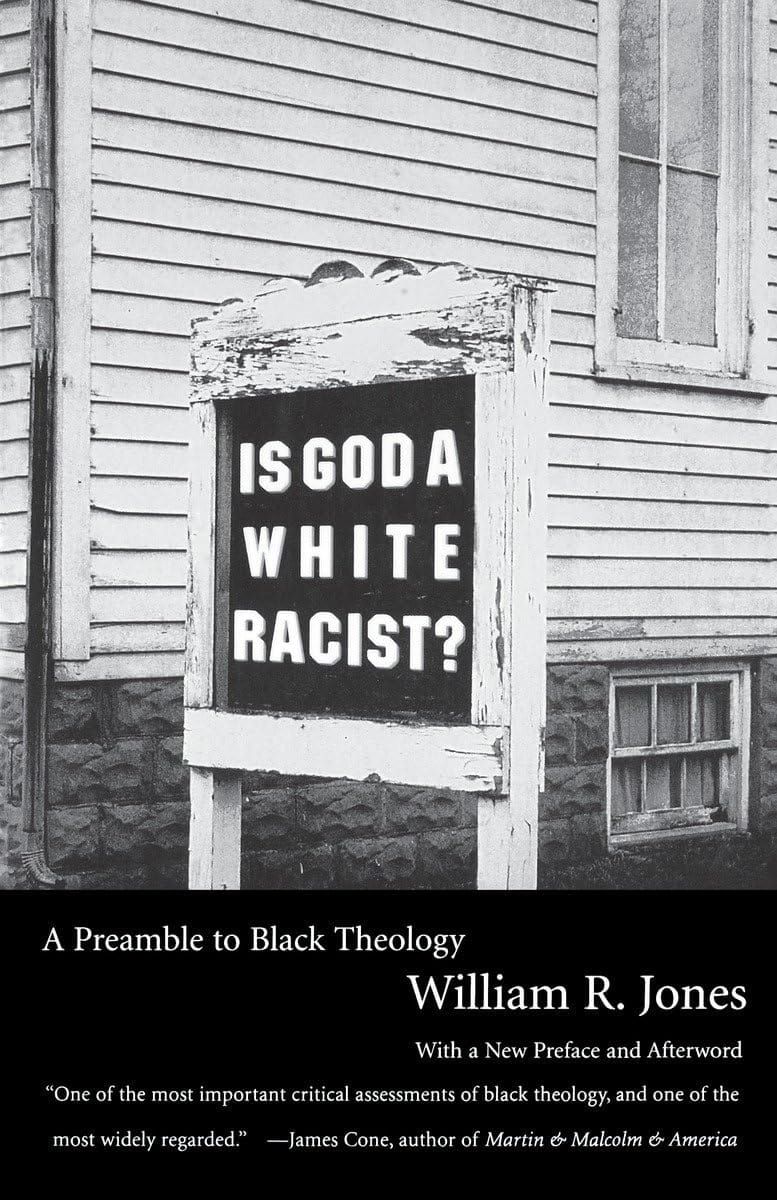
A Reflection on William R. Jones’ Is God a White Racist?
Introduction
Few theological texts in American religious history have posed so stark and unsettling a question as William R. Jones’ 1973 work, Is God a White Racist? A Preamble to Black Theology. At a moment when Black Liberation Theology was asserting God’s preferential solidarity with the oppressed, Jones turned the lens inward and asked whether the evidence of Black suffering in America might actually point in the opposite direction. Rather than declaring God the liberator of the oppressed, Jones demanded that Black theologians first answer an uncomfortable prior question: on what grounds can we be certain that God is not, in fact, complicit in—or even the architect of—the suffering of Black people?
The provocation of the title is not mere rhetoric. Jones was a minister, a philosopher of religion, and a humanist who understood that theodicy, the attempt to reconcile divine goodness with the existence of evil and suffering, was not an abstract academic exercise for Black Americans. It was a matter of survival, dignity, and the very meaning of religious faith. If God is omnipotent and omniscient, and if Black people have endured centuries of enslavement, Jim Crow terror, and systematic dehumanization, then theology owes a rigorous explanation. Jones argued that most Black theologians, including luminaries such as James Cone and Joseph Washington, had failed to provide one.
This reflection paper traces Jones’ central arguments, interrogates the theological and ethical stakes of his humanocentric theism, and reflects on what his framework continues to demand of scholars, believers, and activists engaged with questions of race, justice, and God.
The Problem of Divine Racism and the Demand for Theodicy
Jones’ central argument begins with a deceptively simple premise: if we accept the classical attributes of God—omnipotence, omniscience, and benevolence—then God must be held accountable for the structures of the world as they exist. The suffering of Black people in America is not incidental or hidden from God; it is vast, prolonged, and historically documented. Jones calls this the “multi-evidential" character of Black suffering, meaning that the oppression is not a single catastrophic event but an enduring, cross-generational pattern of dehumanization. This pattern, Jones argues, constitutes prima facie evidence that God may be either indifferent to Black suffering or actively aligned with the forces that perpetuate it.
The concept Jones introduces to describe this possibility is “divine racism.” He is careful to distinguish his position from atheism: he does not assert that God is a white racist, only that the evidence available to theologians does not rule it out. The burden of proof, he insists, lies with those who claim God is on the side of the oppressed. This is a genuinely destabilizing move. Rather than accepting the faith claims of liberation theology at face value, Jones applies the rigor of philosophical argumentation to ask: what evidence would suffice to exculpate God from the charge of racism? What would count as proof that God intends liberation for Black people, and not further oppression?
Jones argues that the exculpating event, a decisive divine act that unmistakably demonstrates God’s solidarity with Black liberation, has not yet occurred. He examines the theological arguments of James Cone, arguably the most prominent Black theologian of the era, and finds them wanting. Cone’s identification of God with the Black struggle, his proclamation that “God is Black,” is, for Jones, an assertion of faith rather than a conclusion supported by theodicy. Faith claims are not theodicy. They do not answer the philosopher’s question; they simply restate the believer’s commitment. Jones demands something more: a theological account that squares the reality of Black suffering with divine goodness in a logically defensible way.
What makes Jones’ critique particularly cutting is that it operates from within the tradition of liberation theology rather than against it. He shares the conviction that Black suffering is a theological problem, not merely a political one. He agrees that theology must be accountable to the lived experience of the oppressed. His disagreement is methodological: he believes that Black theology, in its haste to affirm divine liberation, bypasses the very questions that theodicy demands. The result, in Jones’ view, is a theology that may offer comfort but cannot withstand intellectual scrutiny.
Humanocentric Theism and the Ethics of Liberation
Jones’ constructive proposal in response to this theodicy problem is what he calls humanocentric theism. This framework does not abandon God, but it redefines the relationship between divine agency and human responsibility in ways that have profound ethical implications. In humanocentric theism, God’s sovereignty is understood as voluntarily limited, with genuine historical and moral agency delegated to human beings. God does not intervene to rescue the oppressed because the liberation of the oppressed is, by divine design, a human task.
This is a significant departure from the supernaturalism that undergirds much of traditional Black church theology, where God’s providential intervention in history—through the Exodus, through the crucifixion and resurrection, through the Civil War—is taken as proof of divine care for the suffering. Jones does not deny that such events occurred; he contests the interpretation that they constitute evidence of God’s particular concern for Black liberation. The Exodus, he notes, was one event of liberation among many, and it was followed by millennia of Jewish suffering. The resurrection of Christ, similarly, has not halted the suffering of those who bear his name.
By relocating moral and historical agency in human hands, Jones’ humanocentric theism transforms the theological question into an ethical mandate. If God will not intervene on behalf of the oppressed, then the oppressed—and those allied with them—must act. This is not a pessimistic conclusion for Jones; it is a liberating one. It removes the quietism that can accompany a theology of divine rescue and replaces it with a theology of human vocation. The struggle against racism is not something we do while waiting for God; it is something we do because God has entrusted it to us.
There is a profound resonance here with other strands of humanist and existentialist thought. Jones’ God is somewhat reminiscent of the deist conception—a God who created the conditions for human flourishing but does not micromanage history. But Jones goes further than classical deism by grounding his position in the specific context of Black suffering and the demands of liberation ethics. His humanocentric theism is not the comfortable theology of a privileged class; it is a theology forged in the crucible of oppression, demanding accountability from both God and humanity.
Reflecting on this framework, I find Jones’ insistence on theodicy before liberation proclamation to be a mark of intellectual honesty that theology often resists. There is enormous social and psychological pressure within religious communities to affirm God’s goodness, particularly in communities where faith has been a source of resilience against historical trauma. To question whether God might be indifferent to—or complicit in—that trauma is to risk alienating the very community one seeks to serve. Jones took that risk, and the result is a more rigorous, if more unsettling, theological framework.
Contemporary Relevance and Personal Reflection
More than five decades after its publication, Is God a White Racist? retains a striking urgency. The conditions that prompted Jones’ inquiry—the persistence of racial violence, economic disparity, and the theological challenge of justifying faith amid ongoing Black suffering—have not been resolved. The killings of Trayvon Martin, Michael Brown, Breonna Taylor, and George Floyd, among countless others, have reignited precisely the questions Jones raised. How does a Black Christian reconcile faith in a just and omnipotent God with the spectacle of Black bodies murdered with impunity? How does a theologian assert divine liberation when the evidence of history remains, as Jones would put it, ambiguous?
Jones’ framework suggests that the answer cannot come from reasserting faith claims more loudly or more fervently. It must come from theodicy: from a genuine engagement with the evidence of suffering and a theologically rigorous account of what God’s role in history actually is. This is uncomfortable work, but Jones demonstrates that it is necessary work. A theology that cannot survive honest scrutiny cannot ultimately sustain the communities it seeks to serve.
What I find most personally compelling in Jones’ argument is his insistence that human agency is not a theological consolation prize—a fallback when God fails to show up—but the very site of divine purpose. If humanocentric theism is correct, then the work of justice is not secondary to prayer or worship; it is the primary expression of faithfulness. This reorients the entire relationship between contemplation and action in religious life. It demands that communities of faith be judged not by the fervor of their worship but by the effectiveness of their advocacy for the most vulnerable.
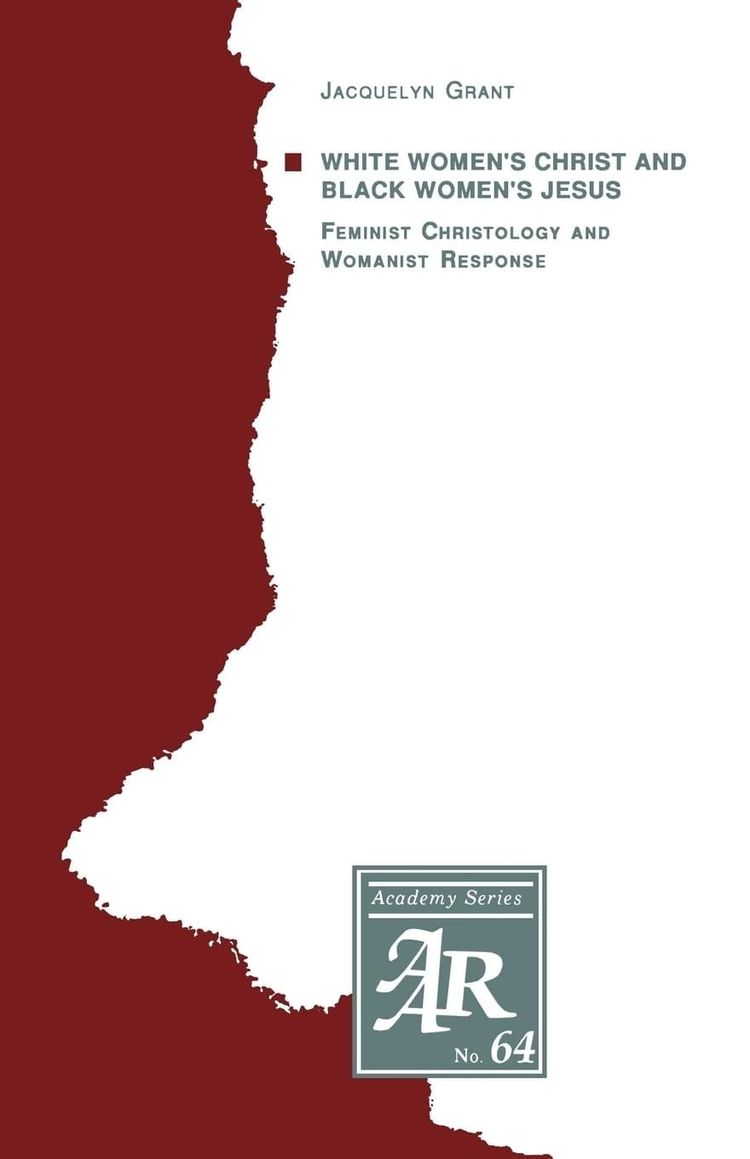
Jones was also ahead of his time in recognizing the intersectional character of theological questions. His critique of Black theology’s theodicy gap opened space for asking similar questions about gender, sexuality, and class, questions that womanist theologians such as Jacquelyn Grant and Delores Williams would later develop. By insisting that theology be accountable to the evidence of suffering in specific communities, Jones established a methodological framework capacious enough to accommodate the full complexity of human oppression.
Conclusion
William R. Jones’ Is God a White Racist? is an uncomfortable book, and it was meant to be. Its discomfort is not the discomfort of gratuitous provocation but of genuine intellectual and moral honesty. Jones asks what must be asked if theology is to mean anything in the lives of people who suffer: Does the evidence of history support the claim that God is on the side of the oppressed? If it does not—or if the evidence is genuinely ambiguous—what follows for theology, ethics, and the practice of faith?
His humanocentric theism does not resolve these questions so much as it relocates them: from the domain of divine intervention to the domain of human responsibility. That relocation is both his most controversial and his most enduring contribution. Whether one accepts his framework in full or only partially, Jones demands that any serious theology of liberation first do the hard work of theodicy—and that it hold itself accountable to the world as it actually is, not merely as faith imagines it to be. In an era still marked by racialized suffering and theological uncertainty, that demand remains as urgent as ever.
References
Cone, J. H. (1969). Black theology and Black power. Seabury Press.
Grant, J. (1989). White women’s Christ and Black women’s Jesus: Feminist Christology and womanist response. Scholars Press.
Jones, W. R. (1973). Is God a white racist? A preamble to Black theology. Anchor Press/Doubleday.
Williams, D. S. (1993). Sisters in the wilderness: The challenge of womanist God-talk. Orbis Books.
Washington, J. R. (1964). Black religion: The Negro and Christianity in the United States. Beacon Press.
Member discussion